Magazine / Racing
WorldSBK vs MotoGP: What’s the Difference, Really?
One championship races unobtainable prototypes, the other races bikes you can almost buy — but the real gulf between MotoGP and WorldSBK is deeper, stranger and far more interesting than that.
· Jul 29, 2025
To the casual eye they look almost identical: brightly liveried motorcycles, leather-clad riders dragging elbows through corners at improbable lean angles, factory teams spending fortunes to win. Yet MotoGP and the Superbike World Championship are fundamentally different sports, built on opposite philosophies, and understanding that difference is the key to enjoying both. One is a contest of pure, unconstrained engineering ambition; the other is a contest of the fastest versions of bikes you could, in principle, ride to the shops. That single distinction ripples out into the machines, the rules, the costs and the very texture of the racing.
So let us settle the pub argument properly, because the honest answer is more interesting than the usual lazy shorthand of faster versus slower. The two series share a grid full of talent and a shared passion for two wheels, yet almost nothing about how they arrive at a Sunday result is genuinely the same.
Prototypes Versus Production
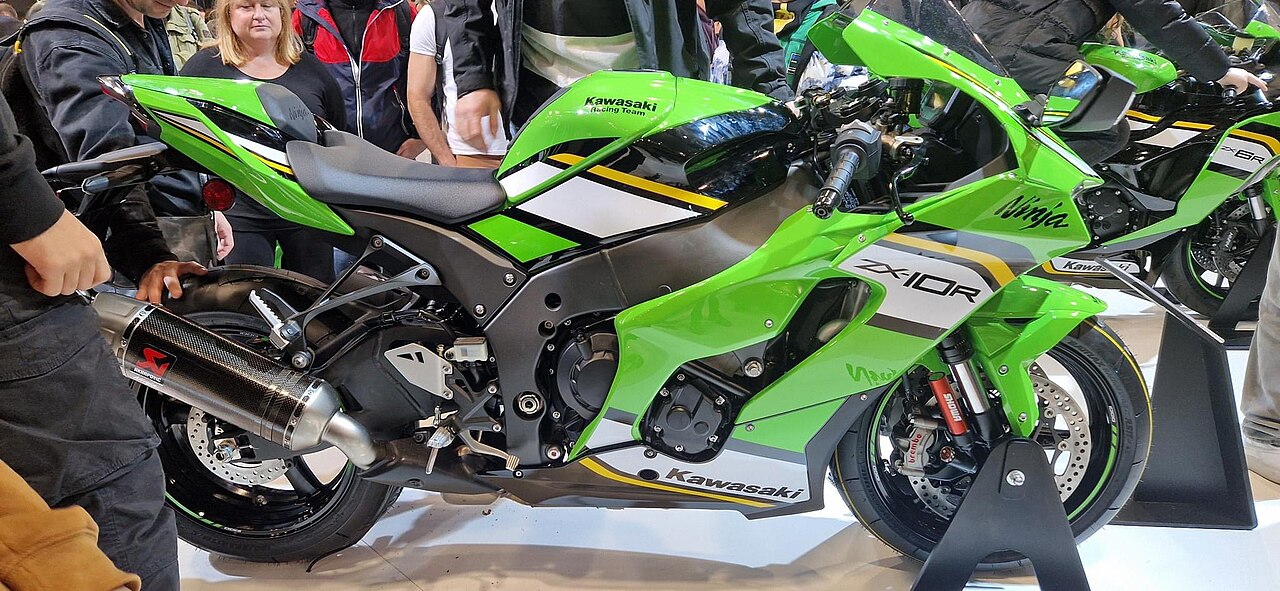
The defining difference is homologation. A MotoGP bike is a pure prototype: a one-off racing machine designed from a blank sheet, of which not a single roadgoing copy exists or ever will. You cannot buy a Desmosedici GP; you can only watch it. WorldSBK is the opposite. Every bike on that grid must be derived from a production motorcycle that ordinary customers can walk into a dealership and buy, then modified within strict limits for competition. A Kawasaki Ninja ZX-10R racing in WorldSBK shares its fundamental architecture with the ZX-10R in the showroom. That is the whole point of the series — it is the ultimate proving ground for machines you can actually own. That link is not a marketing slogan but a hard rule enforced by minimum production numbers, ensuring the racer and the road bike remain genuine relatives rather than distant acquaintances.
The Machines
That philosophical split produces very different weapons. MotoGP prototypes run roughly a litre of screaming, pneumatic-valve engine producing power figures north of anything a road bike can dream of, wrapped in exotic carbon and magnesium, riding on bespoke Michelin slicks, and stuffed with technology invented purely to win. WorldSBK machines start from production litre-bikes, make very serious power but noticeably less than the prototypes, and race on a control Pirelli tyre that every team must use. The prototype is a scalpel forged without compromise; the superbike is a road bike stripped, sharpened and unleashed. Both are ferociously fast, but only one has a distant cousin parked in a suburban garage. The prototype answers to no accountant and no customer; the superbike must begin life as something a factory can build in numbers and sell at a profit, and that single constraint is felt in every component.