Magazine / Guides
The US Bagger Tyre Guide: Profile, Load Rating and Mileage That Actually Matter
Baggers don't ride, brake or carry weight like anything else on two wheels, and their tyres shouldn't be chosen like anything else's either. Here's what actually changes once you're hauling two people and full luggage on a Road Glide or Challenger-style tourer.
· May 14, 2026
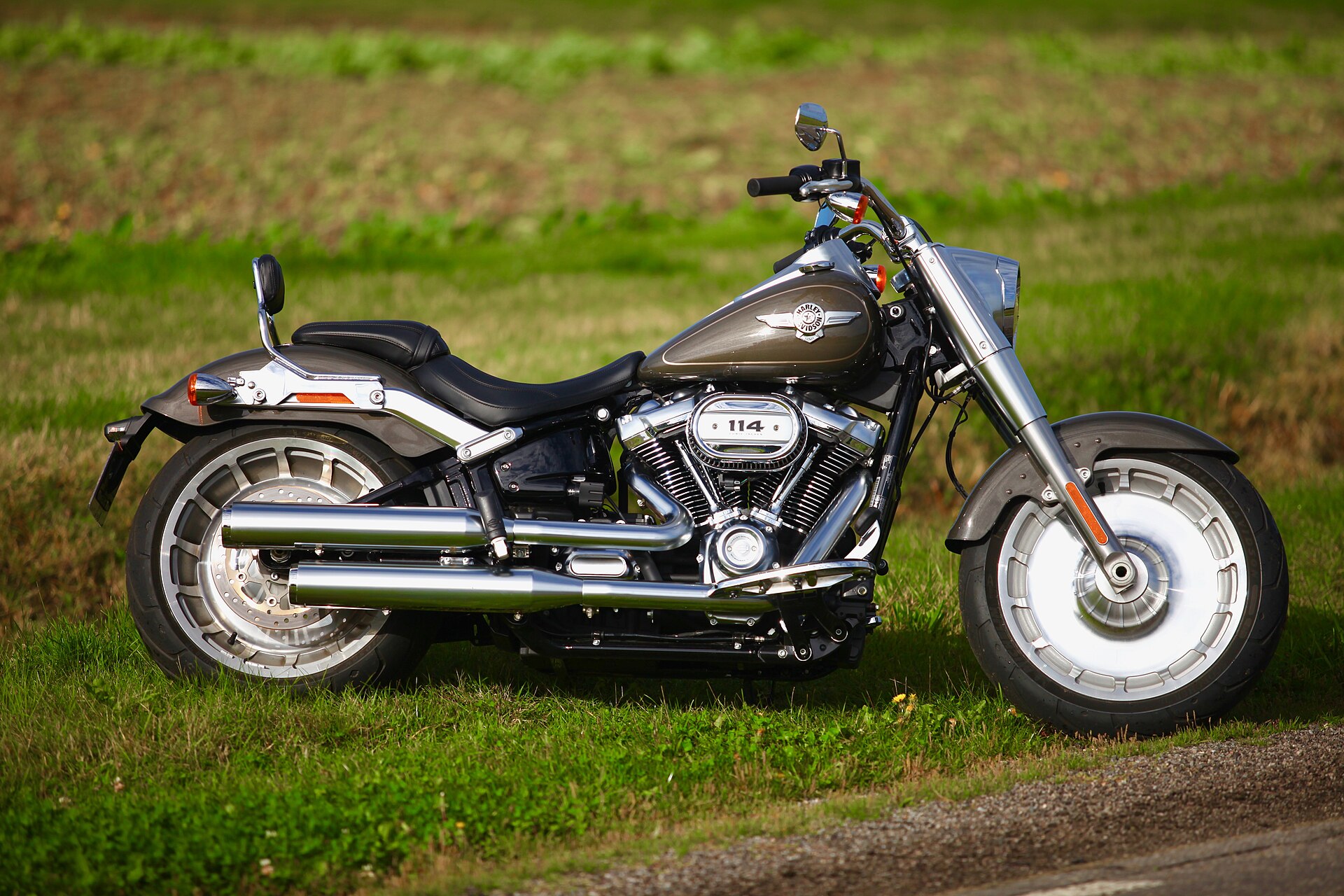
An American bagger doesn’t corner like a sportbike, brake like a naked, or care about lean angle the way a track bike does. What it does have to do is carry 700 to 900-plus pounds of motorcycle, plus a passenger, plus saddlebags and probably a tour-pack, down an interstate at 75 mph in a crosswind, on exactly two contact patches. Choose the wrong tyre for that job and you won’t just lose a bit of grip — you’ll get a rear that squares off in a few thousand miles, a front that goes light and vague at highway speed, or a sidewall that simply isn’t rated to carry what you’re asking it to.
Most bagger owners shop tyres the way they shop pipes: by brand loyalty, tread pattern, or how wide they can go before the fender needs cutting. That’s backwards. On a Harley Road Glide, Street Glide or Indian Challenger-style tourer, the tyre spec sheet — profile, load index, speed rating, and how the front and rear are engineered together — matters more than on almost any other class of motorcycle. This guide is about getting that right, not about which brand has the coolest tread pattern on the shelf.
Profile: Why It Matters More on a Bagger Than Anywhere Else
Tyre profile — the cross-sectional shape, essentially how rounded or squared the tread is — decides how a motorcycle transitions from upright to leaned over. On a sportbike this is about quick flickability into a hairpin. On a bagger it’s about something more fundamental: whether hundreds of pounds of loaded steel and two riders tips into a corner smoothly or fights you the whole way in.
Baggers run long wheelbases, typically in the 64 to 67-inch range, with heavily raked front ends and most of the weight sitting low and well back toward the rear axle. A rounder-profile tyre lets that mass roll into a lean progressively; a flatter, more squared profile — often the result of wear rather than original design — makes the same bike want to stand upright mid-corner and then drop in abruptly once it passes the flat spot. That’s exactly the kind of surprise you don’t want with a passenger on the back.
This is also why profile-related wear deserves more attention on a bagger than on almost anything else you’ll ride. Because baggers spend the overwhelming majority of their miles upright on the highway, the rear squares off faster and more predictably than it would on a bike ridden with more variety of lean angle. Once that happens, the bike starts to feel reluctant to turn and then falls into the corner rather than rolling into it — a handling change that shows up well before the tread is legally worn out.
Load Rating: What a Fully Loaded Two-Up Tourer Actually Weighs
Every tyre carries a load index molded into the sidewall — a number, paired with a speed-rating letter, that corresponds to the maximum weight that tyre can safely carry at speed. It’s one of the most important specs on a bagger tyre and the one riders check least. A replacement tyre can look identical to the original fitment, wear a respectable tread pattern, and still carry a lower load index than the tyre it’s replacing.
Do the math honestly before you buy. Start with your bike’s kerb weight, add a passenger, add saddlebags and a tour-pack loaded for a real trip rather than an empty test ride, and you’ll often find a fully dressed two-up tourer is asking its rear tyre to carry close to, or beyond, half a ton once you include the bike itself. Manufacturers spec the front and rear to cover that scenario at the bike’s rated gross weight; the mistake happens when riders swap to a wider or lower-profile tyre for looks and never check whether the load index still covers a fully loaded, two-up trip.
Speed rating matters here too, particularly if you’re chasing a wider custom rear. Going wider than stock sometimes means moving to a tyre line with a lower speed rating than the one it replaced, which is a bad trade for a motorcycle that’s going to spend hours at sustained interstate speed with a full load on board. If in doubt, match or exceed the load index and speed rating molded on your original tyre rather than just eyeballing the size.
Mileage: What All That Weight Does to a Rear Tyre
Weight is the enemy of tyre life, and baggers carry more of it, more consistently loaded, than almost any other motorcycle on the road. A rear tyre hauling a passenger, luggage and a torquey V-twin’s worth of throttle down the interstate simply won’t last as long as the same tyre on a solo commuter bike, and in my experience the rear on a heavily used two-up tourer often needs replacing at something like a third of the mileage the front will manage, sometimes less on serious touring miles through hot climates.
The single biggest lever you have over that number is pressure, checked cold, before the ride, with your own gauge rather than a forecourt airline. Bagger tyre placards typically list a higher rear pressure for two-up and loaded riding than for solo use, and running the solo figure with a passenger and full bags is one of the fastest ways to overheat and prematurely wear a rear tyre. It costs nothing and takes thirty seconds; there’s no excuse for skipping it on a bike this dependent on its rear contact patch.