Magazine / Opinion
The Brutal Truth About Owning a BMW GS in the UK
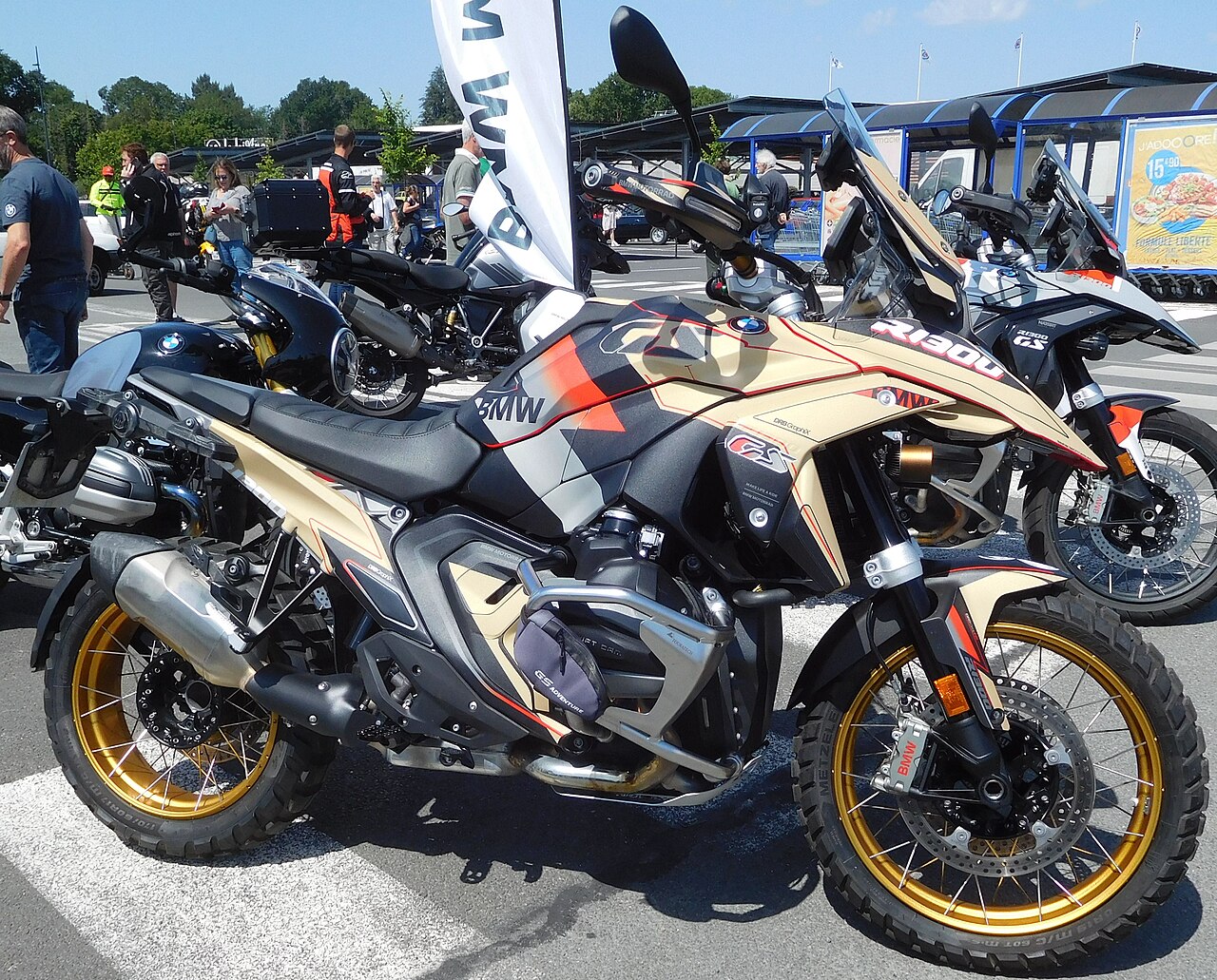
The BMW GS is sold as the one motorcycle that does everything. After a year running an R1300GS through UK traffic, tyres and dealer invoices, I can tell you which parts of that promise are true — and which ones cost a great deal more than the brochure lets on.
· May 18, 2026
Ask ten riders to name the best all-round motorcycle on sale and most of them will say the same three letters: GS. Ask ten owners who actually live with one on wet, congested, pothole-scarred British roads what it is actually like day to day, and you get a far more complicated answer. I have spent the best part of a year running a BMW R1300GS as my only bike through a UK winter, a UK summer and every kind of traffic Britain can throw at a motorcycle, and I have some things to say that the brochure conveniently leaves out.
None of it changes the fact that this is a phenomenal motorcycle. That is precisely what makes it worth talking about honestly. The GS is sold, and often reviewed, as the machine that does everything — comfortable enough for Cornwall to the Cairngorms in a day, tech-laden enough to feel like the future, and still, allegedly, an off-road adventurer at heart. Live with one daily in the UK, though, and three uncomfortable truths surface fast: it is heavy, it is expensive to keep fed with tyres, and BMW’s idea of a service bill is not quite the same as yours or mine. None of that makes it a bad bike. It makes it a bike you need to go into with your eyes open.
The Weight You Feel At Every Set Of Lights
On paper, 237 kg kerb weight doesn’t sound especially alarming — plenty of tourers and cruisers carry more. On a UK high street at 8:40 on a Tuesday morning, hemmed in by white vans and roadworks, it feels like a great deal more than the number on the spec sheet suggests. The GS carries its mass high and a long way from the ground, and while BMW’s excellent Telelever front end and the optional adaptive ride height do a genuinely impressive job of disguising that weight once you’re rolling, none of that clever engineering helps much at a dead stop on a cambered junction with a delivery driver leaning on his horn behind you. The seat drops as you slow and rises again once you’re moving, which is a genuinely clever party trick for shorter riders — it just does not make the bike any lighter to actually manhandle.
Filtering is where the compromise really bites. Britain, unlike much of Europe, actually lets you filter through queued traffic, and it is one of the great everyday joys of commuting by bike here. Do it on a GS for any length of time and your shoulders and forearms will know about it by Friday. The bars are wide, the mirrors stick out further than you would like between two lines of wing mirrors, and hustling 237 kg through a gap that a Yamaha MT-07 rider barely notices requires a level of commitment, and a level of low-speed clutch control, that plenty of riders never build up simply because they never need to on anything smaller. It is not badly engineered; it is simply engineered for motorways, not Camden on a Friday evening.