EICMA is where the motorcycle industry shows its hand, and this year the halls in Milan felt busier, braver and more confident than they have in a long time. After several cautious seasons of facelifts and colour updates, manufacturers arrived with real news: new platforms, sharper design language and a willingness to gamble that had been missing since before the pandemic. The crowds sensed it too, packing the aisles from the moment the doors opened and queueing three-deep around the most talked-about stands.
We spent three days working the stands, ignoring the marketing theatre and hunting for the machines that will actually reach showrooms and change how riders spend their money. Some of the biggest applause went to bikes that will never be built, spun on turntables under coloured light purely to generate photographs. The most important reveals, as ever, were the quieter ones, tucked at the edges of the halls where the accountants had already signed off.
The Naked Wars Escalate
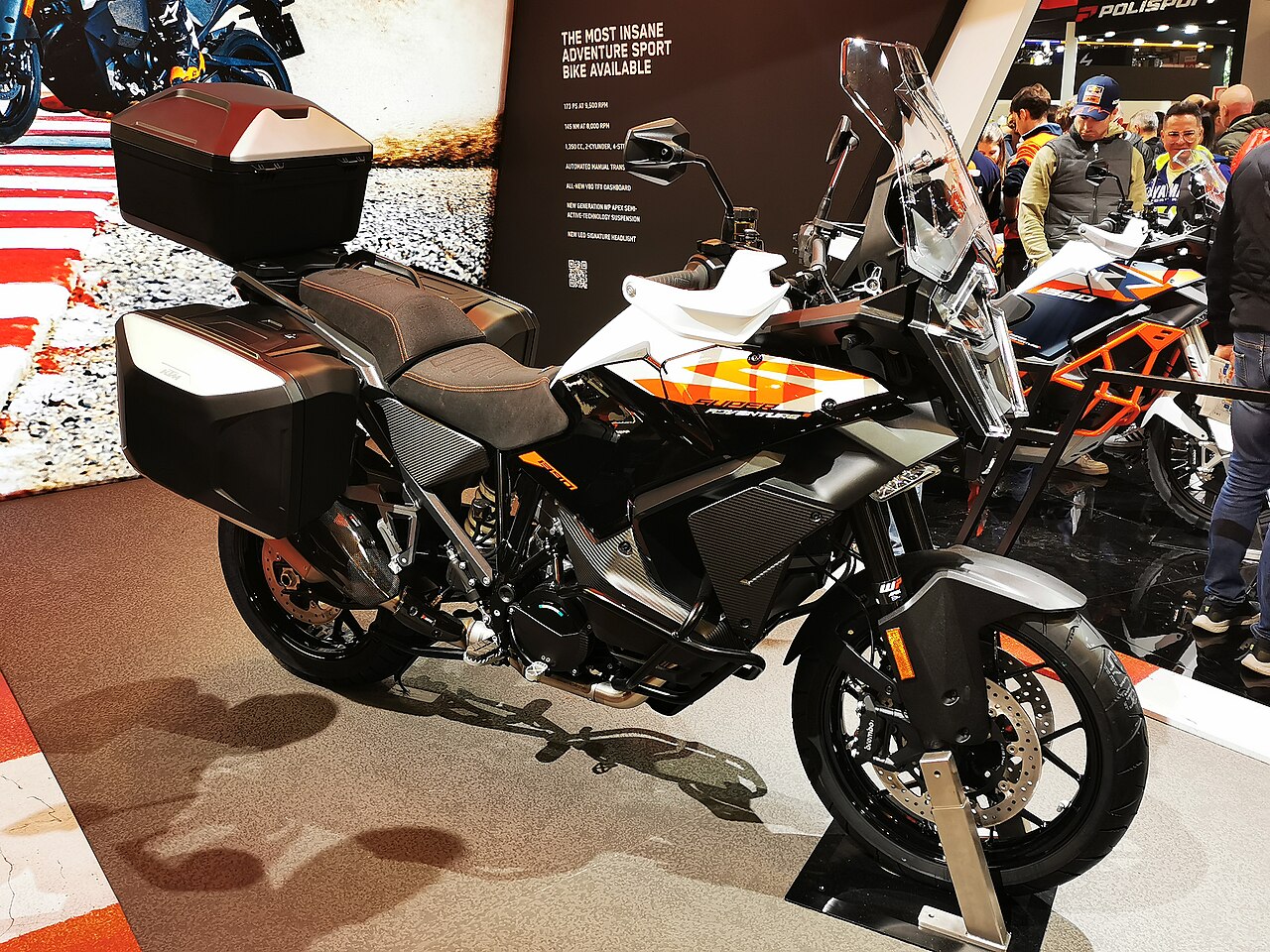
If one theme dominated the halls, it was the escalating arms race among big naked bikes. KTM used its stand to double down on the 1390 Super Duke R, the machine it cheerfully calls The Beast, and in the metal it looks angrier than ever — sharper bodywork, a reworked electronics suite and a 1,350cc V-twin that produces frankly antisocial figures. Rivals from Bologna, Munich and Japan crowded around the same territory, each promising more power and more menace than the last. The message was unmistakable: the hyper-naked is now the flagship that defines a brand’s character, the halo model that sets the tone for everything beneath it, and nobody in Milan wanted to be the first to blink.
Electric Grows Up, Slowly
Electric motorcycles occupied more floor space than ever, but the mood had shifted from evangelism to realism. Instead of promising to replace petrol overnight, manufacturers showed pragmatic urban machines with sensible range, swappable batteries and prices that no longer require a second mortgage. The most convincing exhibits were commuter-focused rather than track-focused, an honest admission of where the technology genuinely makes sense today. Gone were the wild claims about matching a superbike; in their place stood tidy, useful bikes aimed at cities with clean-air zones and cheap overnight charging. Progress is real, but it is arriving one practical step at a time rather than in the revolution the industry once predicted from these very stands.
The Return of the Middleweight
The happiest surprise was the resurgence of the middleweight. For years the industry chased ever-larger capacities, but rising insurance costs, tighter licensing and simple common sense have pushed buyers back toward lighter, friendlier bikes. Milan responded with a wave of fresh parallel-twins and triples in the 650 to 900cc range, styled with genuine flair rather than treated as entry-level afterthoughts. These are the bikes most of us will actually buy, and it was heartening to see them given centre-stage lighting instead of a dusty corner near the exits. Several wore premium suspension and full electronics packages once reserved for flagships, a clear signal that the middle of the market is finally being taken seriously again.