Everyone who has ever leaned over a used Ducati Scrambler in a dealer’s yard has felt the same tug. The trellis frame glows red under the paint, the tank is short and stubby in exactly the right way, and the whole bike promises a decade of easy, stylish riding for less money than almost anything else wearing an Italian badge. I have bought two of these things used, sold one at a loss I fully deserved, and watched enough friends get burned to say this plainly: the Scrambler is a genuinely brilliant used buy and a genuine minefield, often on the very same example.
That contradiction is the whole story. Ducati built the Scrambler to be a lifestyle object first and a motorcycle second, and it sold in numbers that flooded the used market with bikes bought by people who had never owned anything Italian before and had no idea what that actually meant, day to day. Some of those bikes were babied. Plenty were not. The trouble is they all look identical in a set of forecourt photos, and the difference between the good one and the money pit is buried in places a casual look-over will never find. Here is what actually goes wrong, what a fair price looks like, and exactly where to put your hands before you put down a deposit.
The Belt Job Nobody Budgets For
Start with the engine, because it is where the real money hides. The Scrambler’s desmodromic twin uses rubber timing belts to drive its camshafts, and Ducati has always specified that these get replaced on a calendar, not just a mileage counter. A belt that has done only a few thousand miles over several years still needs changing on schedule, because the rubber perishes with age and heat cycling whether or not the bike has actually been ridden anywhere. This is the single most common thing I see private sellers either not know about or quietly not mention, and it is not a cheap job to discover you need after the fact.
The maddening part is how invisible a missed belt service is from the saddle. The bike starts, idles and rides exactly the same right up until the day it does not, and a badly deteriorated belt on a desmodromic engine is not a gentle limp-home fault — it can put a valve where a piston very much does not want it to be. Ask for the invoice, not the verbal assurance. “It’s been serviced” from a seller who cannot produce a single dated receipt is not information; it is a hope you are being asked to buy alongside the bike. Budget accordingly even on a bike that looks freshly serviced, because you are inheriting whatever clock is already running the moment you sign — if the last belt change was years ago and the interval has quietly lapsed, you are not buying a sorted motorcycle, you are buying a bill with a number plate, and that reality should be reflected hard in the price you are prepared to pay.
The Trellis Frame Rot Hiding Under the Tank
The Scrambler’s steel trellis frame is one of its best design flourishes and one of its quietest liabilities. It sits exposed and low down, and — crucially — largely hidden under the fuel tank and side panels, where road grime, salt and moisture collect and simply stay put for years between anyone bothering to look. On a bike that has spent winters parked outside, surface corrosion on the frame tubes under the tank is extremely common, and on the worst-neglected examples it has progressed well past cosmetic.
This is less a Ducati design flaw than a Ducati inspection failure, because most buyers never think to lift the tank on a naked bike the way they would instinctively check the sills on a used car. Pull the seat, get a torch on the frame junctions and the area around the airbox, and look for bubbling paint, white powdery corrosion or actual pitting rather than just surface dust. A frame left to quietly rot through a few winters is a far bigger problem than a scuffed exhaust or a scratched tank, and it is dramatically easier to miss on a quick viewing.
That Rattle Is Probably Not the Emergency It Sounds Like
Almost every new Scrambler owner has the same moment of panic at idle: a distinct, dry, clattering rattle from the engine that sounds exactly like the notorious dry-clutch clatter older Ducatis are famous for. The Scrambler does not actually run a dry clutch — it uses a wet, hydraulically operated unit — but the desmodromic valve gear and slipper-clutch basket on these engines are simply audibly busier than a Japanese twin, and at idle it can sound alarmingly like something has come loose inside.
I do not want to wave this away entirely, because a rattle that changes character under load, gets noticeably worse with heat, or arrives alongside a clutch that feels grabby or inconsistent is a different matter, and deserves a mechanic’s opinion before you buy, not after. But the baseline mechanical clatter that spooks so many first-time Ducati owners into an unnecessary panic — and sometimes an unnecessary discount demand, or worse, an unnecessary walk-away — is, on a healthy example, simply how these engines sound. Know the difference before you judge a seller for it, or talk yourself out of a perfectly sound motorcycle.
Patchy Dealer History Is the Norm, Not the Exception
Here is the uncomfortable truth about the Scrambler’s ownership base: a huge proportion of these bikes were bought by riders drawn in by the styling rather than the badge’s racing pedigree, and plenty of them serviced the bike the way they would service a scooter. Ducati main dealers are not everywhere, official servicing is not cheap, and a meaningful slice of the used Scrambler population has spent at least part of its life at an independent garage, or worse, at nobody’s garage at all beyond an occasional oil change.
This matters because a full, documented main-dealer history genuinely commands a premium on this bike, more than it would on something mechanically simpler and more forgiving. A stack of independent-specialist receipts is not automatically a red flag — plenty of excellent Ducati specialists work outside the franchised network — but a service book with gaps, guesswork or nothing at all should worry you specifically on a Scrambler, because the belt and valve-clearance work that keeps this engine healthy is exactly the kind of job that gets quietly skipped by an owner chasing a cheap annual test rather than genuine mechanical health.
What a Fair Used Scrambler Actually Costs
Every rider eventually reaches the same fork in the road: buy the machine engineered to erase distance, or buy the one engineered to ignore the road altogether. Heavyweight tourers like the Honda Gold Wing and BMW R1250RT are the first answer — rolling first-class cabins built to make a thousand-kilometre motorway day feel almost restful. Adventure-sport machines like the KTM 1290 Super Adventure S and Ducati DesertX are the second — tall, torque-heavy brutes that treat a rutted fire road as just another lane to devour.
I have swapped between both camps enough times to know the choice is rarely about which bike is better. Both categories cost broadly similar money, both will happily swallow a continent, and both will make you feel like the main character at every fuel stop. But they solve the problem of “big motorcycle” in almost opposite ways, and picking the wrong one is one of the more expensive mistakes a rider can make. This is a guide to the two philosophies, not a shootout between four specific models, so you can work out which one actually matches how — and where — you ride.
Two Very Different Answers to the Same Question
The heavyweight tourer’s entire design brief starts and ends with the rider’s comfort. Full fairings, deep adjustable screens and — on the Gold Wing — a seven-speed dual-clutch automatic gearbox with reverse all exist to strip friction out of covering ground. These are bikes built by engineers who assumed, correctly, that most owners spend the overwhelming majority of their mileage on smooth, sealed roads, often two-up, often for days at a time.
Adventure-sport bikes start from a different premise: that the destination might not have a proper road leading to it. Long-travel suspension, spoked wheels sized for genuine off-road rubber, and a chassis built to be stood on rather than sat in take priority, with touring comfort added as a welcome bonus rather than the founding principle. The DesertX’s 250mm of ground clearance and 21-inch front wheel exist for reasons the Gold Wing’s designers never had to think about.
Comfort on the Motorway: The Long, Straight Truth
Motorway comfort is where the heavyweight tourer simply does not lose. The Gold Wing’s 1833cc flat-six and the R1250RT’s 1254cc ShiftCam boxer both deliver huge, unhurried torque with almost no vibration transmitted to the rider, and both carry a fairing and screen engineered specifically to kill buffeting at sustained highway speed. Ride either one for six hours and you arrive refreshed rather than wrung out — that is the entire point of the exercise, and both machines nail it.
The adventure-sport pair can still cover big miles, but the experience is noticeably rawer. The KTM’s 1301cc V-twin and the Ducati’s 937cc Testastretta twin both have real character, and the KTM in particular offers genuinely strong radar-based adaptive cruise, but the taller, more upright stance catches more wind, the seats are firmer, and both engines transmit more of themselves through the bars and pegs. It is not unpleasant — some riders actively prefer feeling connected to the road — but it is a different species of comfort to the tourers’ isolation-tank plushness.
Weight tells the rest of the story at a standstill and in slow traffic. The Gold Wing’s 383kg and the R1250RT’s 279kg both demand respect at parking speed, and neither is a bike you casually muscle around a tight car park. The KTM at 249kg and the DesertX at 223kg are lighter and noticeably easier to paddle, filter and park, even though both still feel substantial once you are aboard and rolling.
Off the Tarmac and Down a Back Road
Take either heavyweight tourer off sealed tarmac and the conversation ends quickly. Cast wheels, road-biased tyres and modest ground clearance — 130mm on the Gold Wing, 145mm on the R1250RT — mean a gravel car park is about as adventurous as either bike is designed to get. These are exceptional machines on the surface they were built for, and honest about the surface they were not.
The KTM and the Ducati exist precisely to answer that gap. Spoked wheels, a 21-inch front hoop on the DesertX, 220mm to 250mm of ground clearance and long-travel WP or KYB suspension mean genuine gravel, hard-packed trail and washboard back road are all within reach, not just in the brochure but in reality. Dedicated off-road ride modes and adjustable traction control — and, on the DesertX, a chassis clearly influenced by rally-raid machinery — back that promise up with real substance.
It is worth being honest, though, that neither the Super Adventure S nor the DesertX is a lightweight enduro bike in disguise. At 249kg and 223kg respectively, both still ask for genuine skill and upper-body strength once the surface turns loose, steep or rutted, and they are no substitute for a proper dual-sport if serious trail riding is the actual goal rather than the occasional gravel detour. On a twisting, well-surfaced back road the picture flips again: the R1250RT’s Telelever front end and genuinely sporty chassis heritage let it carry real pace through sweepers despite its bulk, while the adventure-sport pair’s taller centre of gravity trades a little of that tarmac precision for the ability to shrug off a mid-corner pothole that would have a tourer’s rider gritting their teeth.
Luggage and Pillion Life: Living With It Day to Day
Pillion accommodation is arguably where the gap between these two categories is widest. The Gold Wing remains close to the best two-up motorcycle sold anywhere: a proper backrest, generous legroom and available heated seating front and rear turn a passenger into a genuinely happy passenger rather than a tolerant one. The R1250RT follows the same script with slightly less overall bulk but the same underlying philosophy — the pillion matters just as much as the rider.
Adventure-sport machines treat a passenger as a capability rather than a design pillar. Both the KTM and the Ducati can carry one, and both offer accessory seats and grab rails, but the narrower perch, taller reach to the pegs and reduced wind protection make a long two-up motorway stint noticeably less comfortable than on either tourer. If your riding regularly involves a partner and a proper touring itinerary, this single factor may decide the whole argument on its own.
- Integrated, weatherproof panniers and top box come standard on the heavyweight tourers; adventure-sport luggage is usually a well-designed aftermarket add-on
- A genuine two-up cockpit — backrest, armrests, heated seating options — on the Gold Wing and R1250RT that neither adventure-sport bike attempts to match
- Real off-road capability, spoked wheels and serious ground clearance on the KTM and DesertX that neither tourer can safely access
- A commanding, stand-and-see-over-traffic seating position and genuine filtering agility that only the adventure-sport pair can offer
- Strong adaptive cruise control now available across both categories, closing what used to be a clear touring-only advantage
Which Rider Actually Buys Which
The heavyweight tourer suits the rider whose year is built around long, mapped-out motorway trips, often two-up, who values plush comfort and minimal physical effort over versatility — the Gold Wing’s DCT automatic gearbox in particular removes the last bit of mechanical fuss from the equation. This is the rider who wants the destination to matter more than the journey’s texture, and who has the garage space and budget for a bike that rewards patience rather than adrenaline.
The adventure-sport buyer wants breadth. They may tour, but they also want the option of a gravel detour, a green lane, or simply a more commanding view over traffic on the daily commute. They are usually willing to trade some of the tourer’s plushness and pillion luxury for a bike that can genuinely do more things, even if it does each of them slightly less lavishly than a dedicated specialist would.
Three years ago, buying a used electric motorcycle meant buying a science experiment with no service history and a seller who could not answer a single sensible question about the battery underneath you. That market barely exists anymore. Enough Zero SR/Fs, LiveWire Del Mars and Energica flagships have now cycled through their first owners that a genuine used electric segment has formed, complete with real depreciation curves, real diagnostic data and, for the buyer willing to do a little homework, some genuinely brilliant bargains.
That homework, though, looks nothing like inspecting a used petrol bike. Forget compression tests and chain stretch — the real due diligence on an electric machine happens inside an app, a service menu and a charging port. Get it right and a used electric motorcycle can be the cheapest, lowest-drama bike you will ever own. Get it wrong and you have bought an extremely expensive paperweight with two wheels and no engine to blame.
The Used Market Has Finally Grown Up
For years the electric secondhand market was too thin to draw any real conclusions from. There simply were not enough three- and four-year-old Zeros or LiveWires changing hands to establish a pattern, so every used listing was priced on gut feeling rather than evidence. That has changed. The first serious wave of premium electric motorcycles — the Zero SR/F, the Zero DSR/X, the Energica Experia and the LiveWire S2 Del Mar among them — is now old enough that a meaningful population of used examples exists, with real mileage, real charging histories and real owners who can tell you exactly what living with one is actually like.
That maturity matters because it lets you compare like-for-like in a way that was impossible even two years ago. You can now cross-reference a seller’s claims against typical figures for the model, spot the outlier that has been thrashed on public DC fast chargers, and walk away from the one priced as though the battery will last forever. The used electric market in 2026 rewards buyers who actually understand the technology, and punishes those who assume it behaves like a secondhand naked bike with a plug instead of a tank.
Battery Health Is the Only Number That Matters
Everything else on a used electric motorcycle is a rounding error next to battery health. Mileage and age are only rough proxies for what actually matters, which is how many charge cycles the pack has seen and how it has been treated. Ask the seller, and ideally the dealer, for a battery state-of-health readout from the bike’s own diagnostic app; every one of these manufacturers offers some version of this, and a seller who cannot produce it, or gets defensive when you ask, has just told you everything you need to know. Also ask how the bike was charged and stored: a battery that lived on a slow home charger overnight ages very differently to one that was routinely blasted on public DC fast chargers or left baking in direct sun at full charge for days at a time.
Neither charging habit necessarily wrecks a pack, but a bike with a heavy fast-charging history deserves a more thorough independent check before you commit, and it is entirely reasonable to make that check a condition of the sale. Finally, chase down the warranty paperwork. Most manufacturers back their packs with a multi-year battery warranty against excessive degradation, and on some models that cover is transferable to a second owner if it is registered correctly. A used bike with years of battery warranty still running is a fundamentally different proposition to an identical one just outside it, and the difference should be reflected squarely in the asking price.
Software, Updates and Charging Hardware
An electric motorcycle is a rolling computer with wheels attached, and its firmware matters almost as much as its odometer. Manufacturers routinely push over-the-air updates that recalibrate power delivery, sharpen regenerative braking, improve range estimation and, occasionally, fix a genuine safety issue, so a bike that has quietly missed several update cycles is riding on an older, less refined version of itself than the same model rolling out of a showroom today. Just as important is the account behind the bike: Zero, LiveWire and Energica all tie their apps, remote diagnostics and, in some cases, theft-recovery features to an owner profile, and transferring that profile to a new rider is not always automatic. Confirm with the seller and the dealer network that the account, connectivity and any active subscription can genuinely be moved into your name before you hand over a single dollar.
The charge port sees more abuse than almost any other part of the bike, and it is worth a proper inspection before you buy. Check the pins for corrosion, bent contacts or scorch marks, all of which hint at a cheap or damaged cable being forced into place at some point in the bike’s life, and confirm the manufacturer’s own charging cable is included in the sale. On models fitted with DC fast-charging hardware, such as the Energica Experia, ask specifically how often it was used and where — leaning on public rapid chargers as a daily habit rather than an occasional top-up is one of the fastest ways to accelerate the exact battery degradation the previous paragraph was trying to help you rule out. Before you sign anything, run through this short checklist in full.
- Get a battery state-of-health readout from the bike’s own app or a dealer diagnostic tool, not just a verbal assurance
- Confirm the owner account, app connectivity and any active subscription can be transferred into your name
- Ask for the full software update history and get any outstanding firmware pushed before the deal is final
- Inspect the charge port and onboard charger for damage, and make sure the OEM cable is included
- Check how much life remains on the battery warranty, and get the transfer terms confirmed in writing
How Depreciation Really Compares to Petrol
Here is the part that should make used-buying enthusiasts sit up: electric motorcycles are currently depreciating harder, and faster, than comparable petrol machines. Buyer nervousness about battery life, a still-thin resale market and rapid year-on-year improvements in range and software all combine to push used values down more aggressively than on an equivalent naked or sportsbike, where the drivetrain is a known quantity and the used market is decades deep. A three-year-old petrol naked with sensible mileage typically retains a healthy chunk of its original price; a three-year-old flagship electric of similar vintage can often be found for meaningfully less than that, model for model.
For a first owner that steep curve stings. For a used buyer it is close to the entire point. You are effectively being paid, in the form of a lower purchase price, to take on a small and largely theoretical amount of battery-life risk that real-world pack data so far suggests is smaller than the market currently assumes. Provided the state-of-health check comes back clean and the warranty still has meaningful life left, that gap between new and used pricing is the single best argument for buying electric secondhand rather than new.
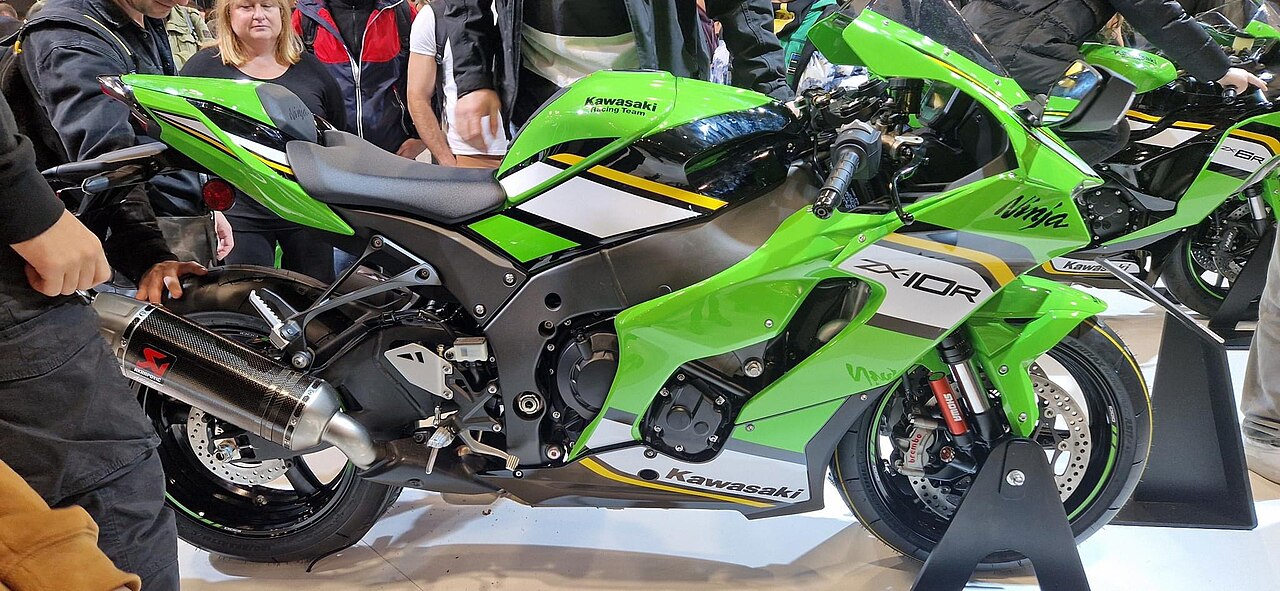
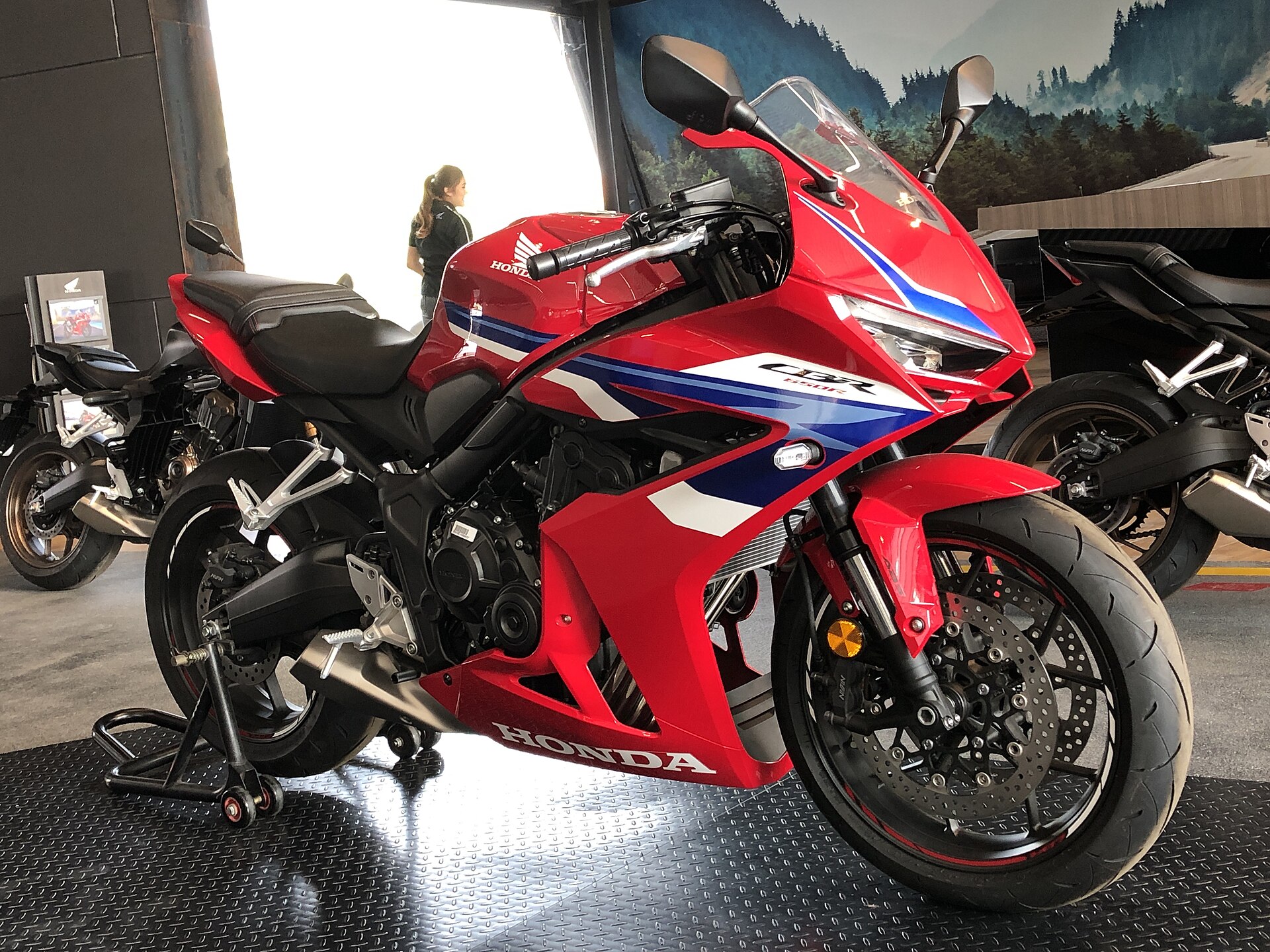
Every new sportbike rider eventually faces the same fork in the road. Do you buy the accessible, sweet-natured supersport that flatters your ability, or the fire-breathing superbike that promises to make you a hero and, occasionally, threatens to make you a statistic? To make the choice concrete rather than abstract, we have chosen two machines that bookend the spectrum: the approachable Honda CBR650R and the ferocious Kawasaki Ninja ZX-10R.
They wear similar full fairings and both look fast standing still on the showroom floor. But they are separated by a chasm of power, intent and consequence. Understanding that gulf clearly is the single most important thing a buyer can do before signing anything, because the wrong choice can cost you money, confidence or worse.
The performance gap
The numbers tell a stark story. The CBR650R’s 649cc inline-four makes a friendly 94 hp — enough to thrill on any road, revvy and characterful, yet never overwhelming for a developing rider. The ZX-10R’s 998cc superbike engine produces around 203 hp, more than double, arriving with a top-end ferocity that can loft the front wheel in the first three gears and reach speeds no public road can legally or safely contain. This is a genuine World Superbike engine with lights and mirrors bolted on.
On a race circuit the ZX-10R is a race-honed missile that will demolish the Honda by whole seconds a lap. On a real road, though, the CBR is often the faster point-to-point tool for a normal rider, because its usable power can be deployed with total confidence where the superbike’s simply cannot. More power is only ever an advantage if you can actually use it, and most of us, most of the time, cannot use anything like 203 hp.
Ergonomics and daily reality
The supersport-style CBR650R offers a relatively relaxed riding position, a softer seat and manageable engine heat — a bike you can genuinely commute on, tour on lightly and enjoy for hours without complaint. The ZX-10R is uncompromising: low clip-on bars, high pegs, a firm seat and an engine that runs hot in traffic. It is glorious for a track day and quietly punishing for a supermarket run. Be brutally honest with yourself about how you will really use the bike day to day.
Buying your first motorcycle is one of the great rites of passage in a rider’s life, and it should feel exciting. It can also feel overwhelming, because the choice you make shapes how quickly you build confidence, how much you spend and whether the whole adventure sticks. Get it right and the bike becomes a trusted teacher; get it wrong and it becomes an expensive ornament gathering dust in the corner of the garage.
The good news is that choosing well is mostly about honesty and patience rather than horsepower. This guide walks you through every stage — understanding your own needs, matching a category to your riding, weighing new against used, setting a realistic budget and inspecting a machine before any money changes hands. Take your time here and the reward is a bike you will actually enjoy learning on.
Start With an Honest Self-Assessment
Before you look at a single listing, take stock of who you are as a rider. How tall are you, and can you get the balls of both feet down comfortably at a stop? What is your typical journey — city gridlock, open motorway, or twisting back roads? How much genuine seat time do you have? New riders almost always overestimate the machine they can handle. A bike you feel relaxed on will be ridden often and mastered quickly, while an intimidating one quietly stays parked and teaches you nothing.
Licensing rules also shape your options, and they vary from country to country. Many regions operate tiered systems — such as Europe’s A1, A2 and full A licences — that cap the power a newer rider may use, and insurers frequently reward smaller-capacity machines with far lower premiums. Check exactly what you are legally entitled to ride before you fall for something you cannot yet licence or afford to insure, and treat any restriction as a helpful stepping stone rather than a frustrating limitation.
Match the Category to Your Riding
Motorcycles come in families, and each rewards a different life. For most beginners a standard or naked bike in the 300 to 500cc bracket hits the sweet spot: upright ergonomics, gentle power delivery, low weight and forgiving manners. Small adventure bikes and modern classics make superb all-rounders too. What you should avoid on day one is a litre-class supersport, which serves race-track power with no patience for mistakes.
- Standard and naked bikes — the classic first choice for their upright seating and easy manners.
- Small adventure bikes — tall, comfortable and happy on rough surfaces; the Royal Enfield Himalayan 450 is a friendly example.
- Modern classics and retros — approachable power, timeless looks and usually a low, reassuring seat.
- Small cruisers — relaxed and confidence-inspiring, though less rewarding on truly twisty roads.
- Leave full-power supersport and litre bikes until you have a season or two behind you.
New or Used: The First-Bike Question
There is a strong case for buying used as your first machine. Beginners drop bikes — in car parks, at junctions and while learning slow-speed control — and a scuffed second-hand bike hurts far less than a scratched showroom model. Used bikes also shed the steepest depreciation before you ever own them. A new bike, by contrast, brings a warranty, a known history, finance options and the reassurance that nothing has been abused. If money is tight, a well-kept used bike frees up cash for quality protective gear, which matters more.
The adventure-touring bike has become the do-everything motorcycle of our age: comfortable enough for a thousand-kilometre motorway day, capable enough to tackle a gravel pass, and practical enough to commute on come Monday. That versatility is exactly why choosing one is so hard. The category now stretches from towering 1300cc flagships to friendly 450cc trail bikes, and the right choice depends far more on the roads you actually ride than on the ones you dream about.
The most important question is not which bike is best, but which bike is best for you. Weight, seat height and power all rise together as you climb the range, and a machine that feels majestic on a fast highway can feel like a burden when you drop it on a remote trail. Let us break the class into its three natural tiers and be honest about what each one asks of its rider.
What Adventure-Touring Really Means
An adventure bike blends long-travel suspension, an upright riding position, a large fuel tank and wind protection into one tall, commanding package. Some are firmly road-biased, wearing cast wheels and touring tyres; others are genuine dirt-capable machines with spoked rims, knobbly-friendly tyres and serious ground clearance. Deciding where on that road-to-dirt spectrum you sit is the single biggest filter you can apply before you shortlist a single model.
Wheels are the quickest clue to a bike’s intent. Cast alloy wheels and road-biased rubber signal a machine happiest on tarmac, while spoked wheels, a larger front rim and knobbly-compatible tyres mark out a serious off-road tool. Ground clearance, suspension travel and the presence of a metal bash plate tell the same story. Decide honestly how much dirt you will really ride, because a road-biased adventure bike is far easier to live with day to day.
The Big-Bore Flagship
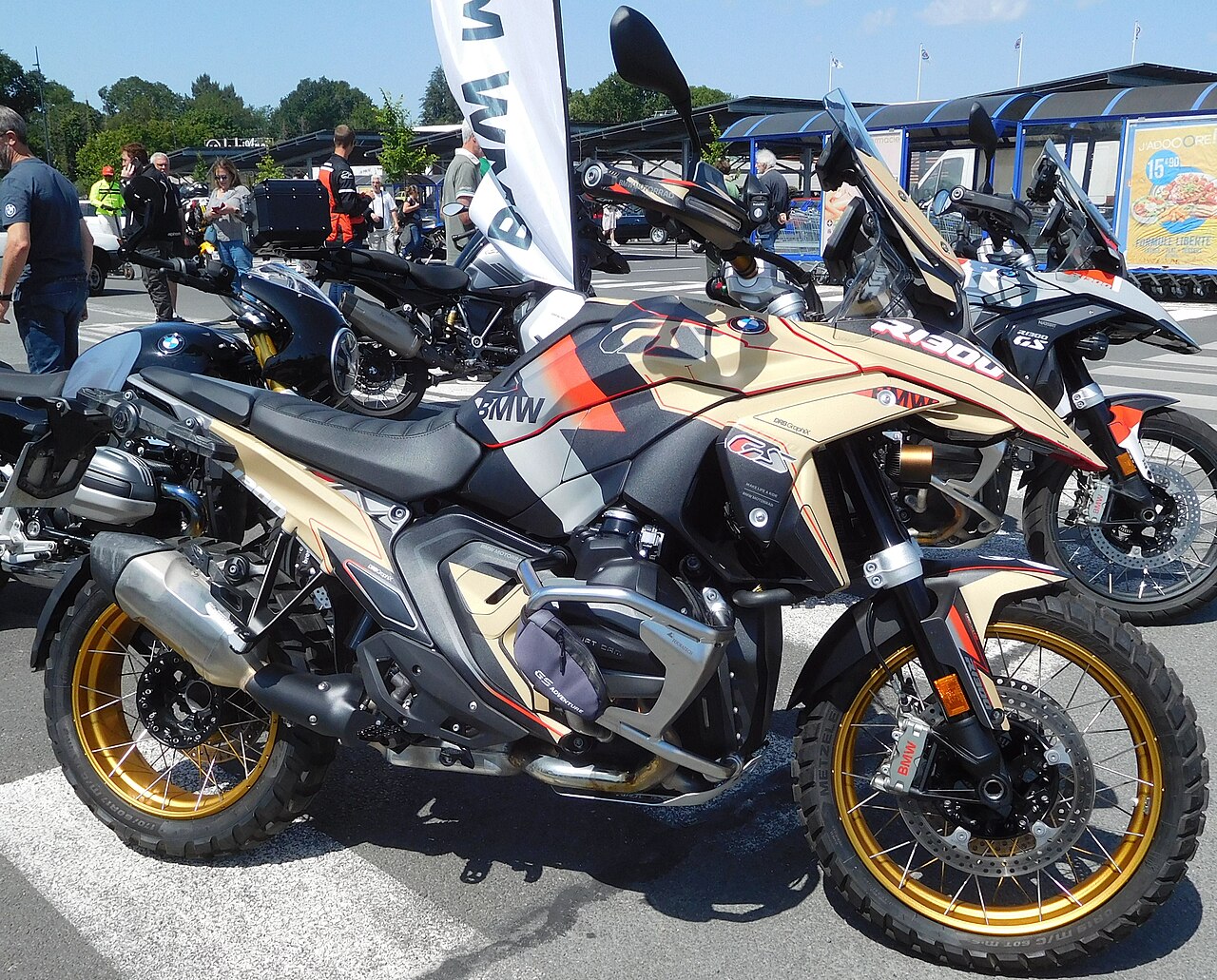
The BMW R 1300 GS is the definitive big adventure bike, and it earns its reputation. With around 145 horsepower from its boxer twin, semi-active suspension and radar-assisted rider aids, it crushes distance like nothing else and remains astonishingly agile for its size. But make no mistake: at roughly 237kg fully fuelled it demands respect on loose surfaces and a confident rider to pick it up. Buy big only if most of your miles are tarmac and two-up touring, not tight singletrack.
That capability comes at a price beyond the sticker, though. Big adventure bikes are tall, top-heavy at a standstill and costly to insure and service, and their sophisticated electronics reward a rider who takes time to learn them. If you tour long distances, ride two-up and rarely leave the tarmac, none of that will trouble you and the GS will feel like a magic carpet. Just be honest about whether you will ever use its off-road potential, because most owners never truly do.
The Middleweight Sweet Spot
For a huge number of riders the middleweight is the honest answer. The Triumph Tiger 900 Rally Pro typifies it: a characterful 888cc triple with roughly 108 horsepower, long-travel suspension, spoked wheels and a manageable footprint. It carries luggage and a passenger happily, yet it is light enough that a slip on gravel does not end the day. If you want one bike for commuting, touring and the occasional green lane, this tier deserves the top of your list.
Middleweights also make sound financial sense. They sip fuel, wear tyres and brakes more slowly than the big flagships, and their lower mass means a slip on a loose surface is an inconvenience rather than a full recovery operation. For riders stepping up from their first bike, or anyone who wants genuine versatility without the intimidation, this is the tier that quietly does everything asked of it and asks remarkably little in return.
The Lightweight and Value End
At the accessible end sits the Royal Enfield Himalayan 450, and its charm is real. A single-cylinder engine making around 40 horsepower will never win a motorway drag race, but at roughly 196kg with an approachable seat it is confidence itself off-road, gentle on a learner’s nerves and kind to a tight budget. For new adventurers, shorter riders or anyone whose adventures are more dirt-track than autobahn, less genuinely is more.
There is a purity to the lightweight experience that heavier bikes cannot match. With less mass to manage you learn faster, explore more confidently and worry far less about dropping the bike miles from anywhere. The trade-off is modest motorway pace and a smaller luggage capacity, so a lightweight suits shorter trips, technical terrain and riders who value simplicity. For many, that honest, unintimidating character turns out to be exactly the point of adventure riding.
A modern litre-class superbike is one of the most extraordinary machines you can legally own. With around 200 horsepower, a power-to-weight ratio that shames most supercars and electronics developed on the racetrack, bikes like the Kawasaki Ninja ZX-10R and Suzuki GSX-R1000R deliver performance that was pure fantasy a generation ago. Choosing your first one is thrilling — but it demands honesty, because these bikes have zero tolerance for carelessness.
Let us be clear from the start: a litre superbike should never be a first motorcycle. This guide assumes you already have solid road experience and now want to step up wisely. The aim is to help you pick a machine that flatters your ability, protects you with genuinely useful rider aids, and rewards you as your skill grows rather than punishing you for lacking it.
Respect the Performance
The headline is straightforward. A modern superbike can reach the national speed limit in first gear and accelerate hard enough to loft the front wheel or spin the rear in the blink of an eye. That is not a reason for fear, but it is a reason for respect. The riders who come unstuck are almost always those who treat that power as a toy rather than a tool, twisting the throttle before their skills, their tyres or the road can take it.
Insurance is part of that respect, and it can be sobering. Litre superbikes sit in the very highest premium brackets, especially for younger or newly qualified riders, and theft is a real risk given their desirability. Get firm quotes before you buy, factor in secure storage and a good lock or tracker, and remember that the cheapest bike to purchase is rarely the cheapest to own. Budgeting honestly here prevents an expensive shock a month after the keys land in your hand.
Electronics Are Your Safety Net
The single best reason to buy a current superbike over an older one is the electronics package. A six-axis IMU allows the bike to understand lean angle and manage grip mid-corner, and the aids built on it can save a moment that would once have ended in the scenery. On bikes like the ZX-10R and GSX-R1000R these systems are genuinely sophisticated. Learn to use them, set them conservatively at first, and let them earn their keep while you build feel.
- Cornering ABS — brakes intelligently even while the bike is leaned over.
- Traction control — limits rear wheelspin; start on a higher intervention setting.
- Rider modes — choose a softer power map for road and wet conditions.
- Wheelie and launch control — manage the front end and hard starts.
- Up-and-down quickshifter — clutchless changes that keep you smooth and settled.
- Engine brake control — smooths the effect of the throttle closing into corners.
A word of caution, though: electronics manage grip, they do not create it. Traction control cannot save you from cold tyres, a snapped-shut throttle mid-corner or a target fixation into a hedge. Treat the aids as a safety net for genuine mistakes rather than a substitute for skill, keep them switched on while you learn the bike, and resist the temptation to chase the sharpest, least-assisted mode until your riding truly deserves it.
New Versus Used
A used superbike can look like a bargain, but tread carefully. These bikes are often ridden hard and sometimes tracked, so a full service history, unmarked bodywork and honest ownership matter enormously. A newer example brings the latest electronics, a warranty and known provenance. Whichever way you go, budget for consumables — sport tyres, brake pads and chains all wear quickly on a bike ridden with enthusiasm — and never buy one that has obviously been crashed and rebuilt.
Servicing costs deserve real thought as well. Superbikes run frequent, involved service schedules, and jobs such as valve-clearance checks, fork rebuilds and brakes are not cheap on a high-performance machine. A comprehensive, stamped history is therefore worth paying more for, because it hints at an owner who genuinely cared. If a deal seems too good to be true, assume there is a reason, and walk away from any bike with a suspiciously vague past or mismatched, freshly painted panels.