Buying your first motorcycle is one of the great rites of passage in a rider’s life, and it should feel exciting. It can also feel overwhelming, because the choice you make shapes how quickly you build confidence, how much you spend and whether the whole adventure sticks. Get it right and the bike becomes a trusted teacher; get it wrong and it becomes an expensive ornament gathering dust in the corner of the garage.
The good news is that choosing well is mostly about honesty and patience rather than horsepower. This guide walks you through every stage — understanding your own needs, matching a category to your riding, weighing new against used, setting a realistic budget and inspecting a machine before any money changes hands. Take your time here and the reward is a bike you will actually enjoy learning on.
Start With an Honest Self-Assessment
Before you look at a single listing, take stock of who you are as a rider. How tall are you, and can you get the balls of both feet down comfortably at a stop? What is your typical journey — city gridlock, open motorway, or twisting back roads? How much genuine seat time do you have? New riders almost always overestimate the machine they can handle. A bike you feel relaxed on will be ridden often and mastered quickly, while an intimidating one quietly stays parked and teaches you nothing.
Licensing rules also shape your options, and they vary from country to country. Many regions operate tiered systems — such as Europe’s A1, A2 and full A licences — that cap the power a newer rider may use, and insurers frequently reward smaller-capacity machines with far lower premiums. Check exactly what you are legally entitled to ride before you fall for something you cannot yet licence or afford to insure, and treat any restriction as a helpful stepping stone rather than a frustrating limitation.
Match the Category to Your Riding
Motorcycles come in families, and each rewards a different life. For most beginners a standard or naked bike in the 300 to 500cc bracket hits the sweet spot: upright ergonomics, gentle power delivery, low weight and forgiving manners. Small adventure bikes and modern classics make superb all-rounders too. What you should avoid on day one is a litre-class supersport, which serves race-track power with no patience for mistakes.
- Standard and naked bikes — the classic first choice for their upright seating and easy manners.
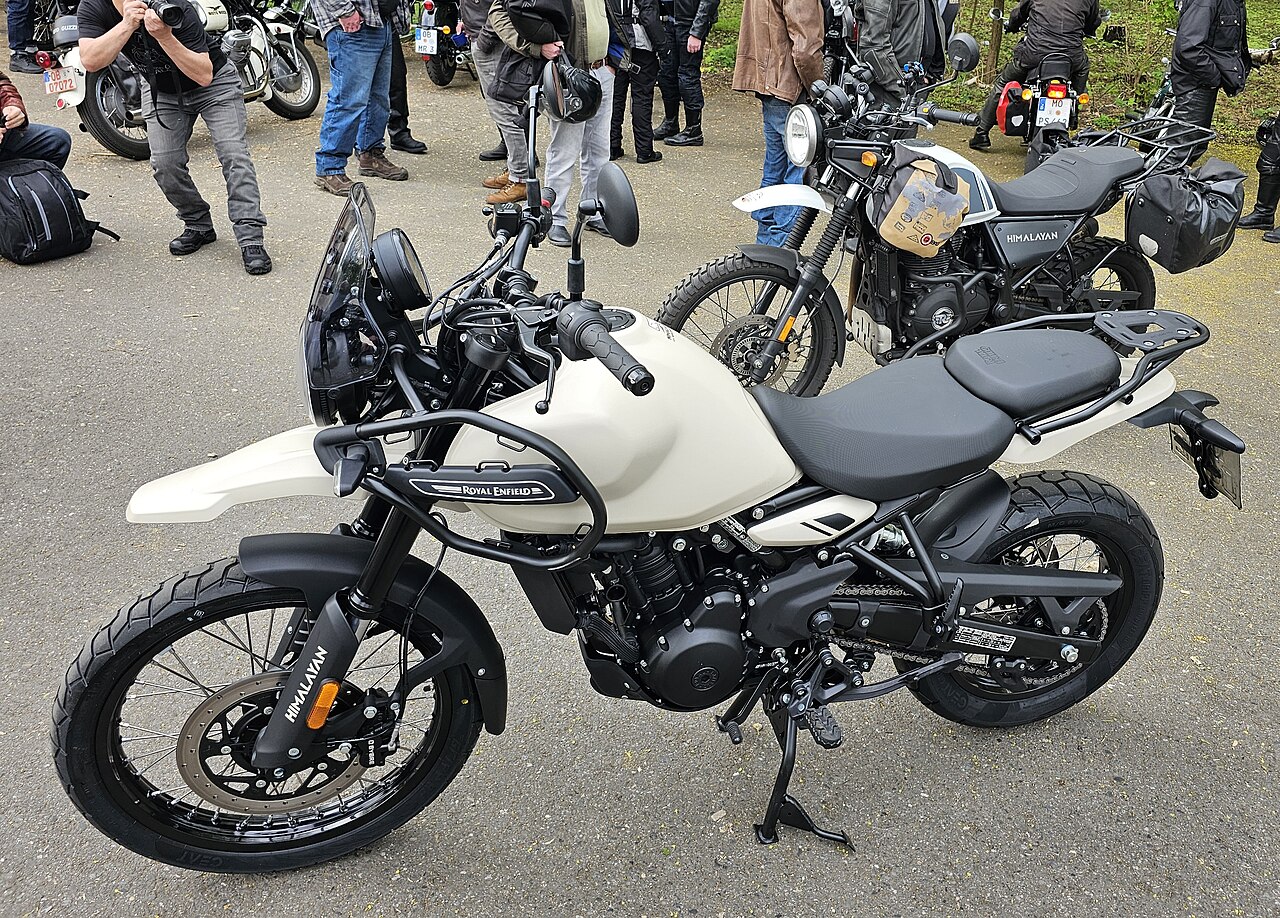
- Small adventure bikes — tall, comfortable and happy on rough surfaces; the Royal Enfield Himalayan 450 is a friendly example.
- Modern classics and retros — approachable power, timeless looks and usually a low, reassuring seat.
- Small cruisers — relaxed and confidence-inspiring, though less rewarding on truly twisty roads.
- Leave full-power supersport and litre bikes until you have a season or two behind you.
New or Used: The First-Bike Question
There is a strong case for buying used as your first machine. Beginners drop bikes — in car parks, at junctions and while learning slow-speed control — and a scuffed second-hand bike hurts far less than a scratched showroom model. Used bikes also shed the steepest depreciation before you ever own them. A new bike, by contrast, brings a warranty, a known history, finance options and the reassurance that nothing has been abused. If money is tight, a well-kept used bike frees up cash for quality protective gear, which matters more.
There is an old saying among riders: dress for the slide, not the ride. On a motorcycle you have none of the crumple zones, airbags or steel cage that protect a car driver, so the gear on your body is quite literally your bodywork. The encouraging truth is that modern protective kit is lighter, cooler and more comfortable than ever, and a full outfit costs a small fraction of the bike it protects you on.
The philosophy worth adopting is ATGATT — All The Gear, All The Time. Crashes rarely announce themselves, and the short trip to the shops is exactly when people get caught out in a t-shirt. Let us work from head to toe, explaining what each item does, how it should fit and which certification marks actually mean something.
The Helmet Comes First
Nothing you own matters more. A helmet should sit snugly with no pressure points, grip your cheeks firmly and not budge when you shake your head with the strap done up. Look for a current safety standard — ECE 22.06 across Europe and much of the world, DOT in the United States, or the tougher voluntary Snell rating. Full-face designs offer the most protection because they guard the chin and jaw, the most commonly struck area in a crash. Replace any helmet after a significant impact, even if it looks fine.
Fit is everything with a helmet, and it should be neither loose nor painful. A new lid feels firm and loosens slightly as the cheek padding beds in, so choose the snuggest size you can comfortably wear for an hour. Try several brands and shapes, because heads differ and a helmet that suits a friend may not suit you at all. And never buy a used helmet, because you cannot see the internal damage a previous impact may have quietly caused.
Jackets and the Armour Inside
A good jacket does two jobs: it resists abrasion so the road does not reach your skin, and it holds impact armour over your shoulders, elbows and spine. Leather offers superb abrasion resistance; modern textiles add weatherproofing and ventilation. In Europe garments are rated to EN 17092, from AAA for the most protective down to A for lighter urban wear. Whatever the shell, make sure the armour is CE-marked and, ideally, upgraded to Level 2 at the shoulders and elbows, with a proper back protector fitted rather than a token foam pad.
Fit matters here too, because armour that slides out of place in a crash protects nothing. The jacket should be snug enough to hold its protectors over the joints even as you tuck into your riding position, so try it on leaning forward rather than standing straight. Look for adjusters at the waist, arms and cuffs, and consider a jacket with both a thermal liner and vents so a single garment covers more of the year. A connecting zip to your trousers seals out draughts and keeps everything aligned.
We obsess over horsepower and top speed, but the specification that most affects your daily riding is how well the bike fits your body. A motorcycle that suits your height and proportions inspires confidence at every stop, saves your wrists and back on long rides, and lets you place your feet down securely when it matters most. Buy one that fits poorly and even a brilliant machine feels intimidating and tiring.
Fit comes down to three related things: seat height, the reach to the bars and pegs, and the overall riding position they combine to create. Understanding each — and knowing what can be adjusted — lets you shop smartly rather than being seduced by a photograph. Let us break it down so you can judge any bike the moment you sit on it.
Seat Height and Getting Your Feet Down
Seat height is the number riders fixate on, and for good reason: being able to steady the bike at a stop is fundamental to feeling in control. But the raw figure only tells part of the story. A narrow seat lets you reach the ground more easily than a wide one of the same height, and a soft seat compresses under your weight. You do not need both feet flat — the balls of both feet, or one foot solidly planted, is enough for most situations — but the less experienced you are, the more reassurance a lower, narrower seat gives.
This is where model choice matters. The Harley-Davidson Nightster carries a famously low seat of around 705mm, which suits shorter riders and anyone new to a heavier machine. The Royal Enfield Himalayan 450, meanwhile, offers an adjustable seat so you can trade a little comfort for reach, a genuinely useful feature on a tall adventure bike.
One useful trick is to look at the whole picture rather than a single number. A bike with a soft, narrow seat and a low centre of gravity can feel far more manageable at a stop than a lighter machine with a wide, hard perch, even when the quoted heights are identical. Lean the bike gently towards your planted foot as you come to a halt, and you will find you can comfortably flat-foot machines that looked impossibly tall on paper.
Reach: Bars, Levers and Pegs
Reach is how far you stretch to the handlebars and how your legs fold to the footpegs. Bars that are too far forward throw weight onto your wrists and round your back; pegs set too high cramp taller riders. Check that you can operate the clutch and brake levers without overstretching your fingers, and that most modern levers are span-adjustable to suit smaller hands. Comfortable reach keeps you relaxed, and a relaxed rider reacts faster and tires less.
Wrist angle is worth checking specifically. On a comfortable bike your wrists sit roughly in line with your forearms; if they are cocked back sharply or bearing your upper-body weight, long rides will punish them. Handlebar position also affects low-speed control, since bars that are too wide or too far forward make tight manoeuvres feel clumsy. Sit on the bike and mimic a slow U-turn in the showroom to feel whether the controls really do fall naturally to hand.
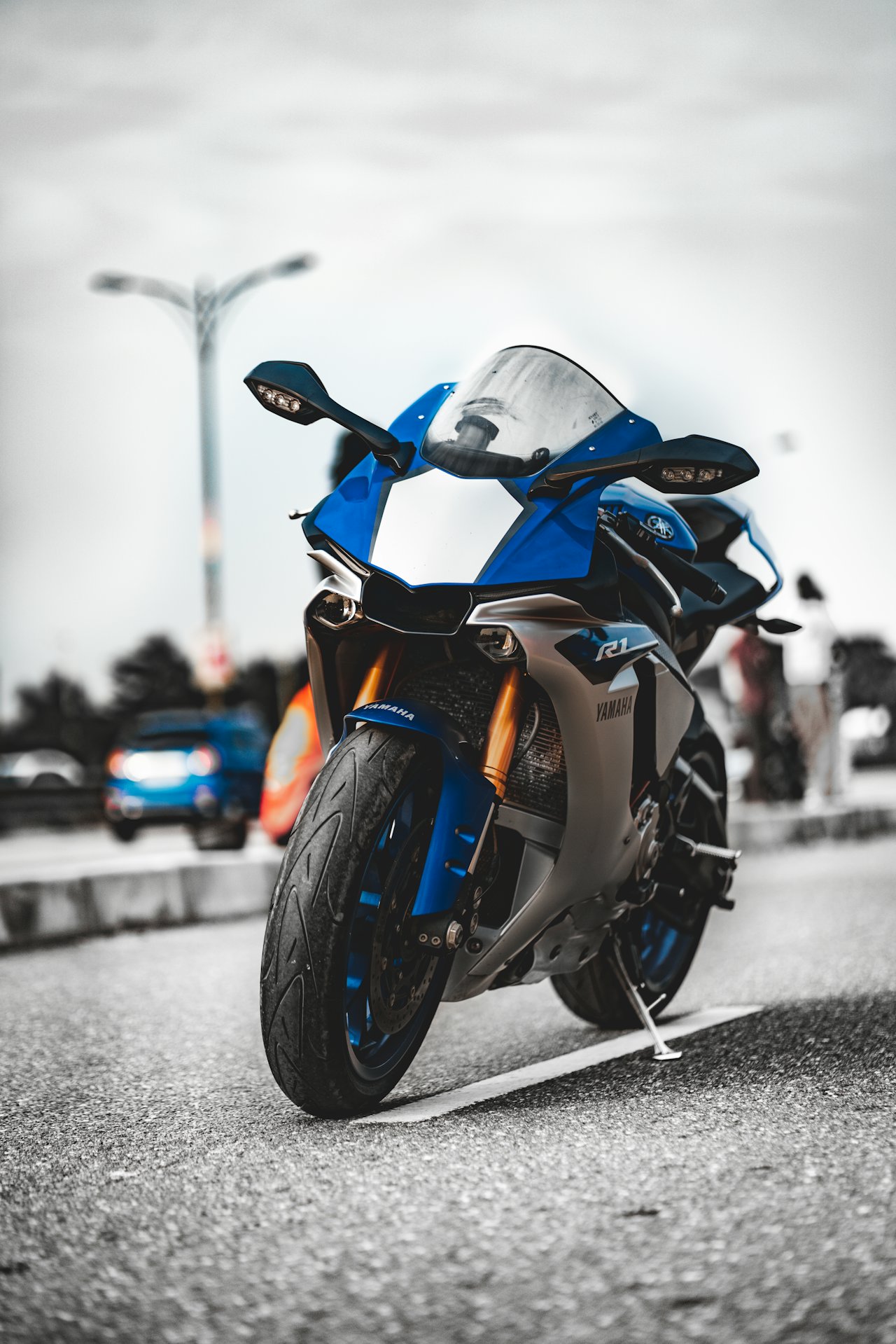
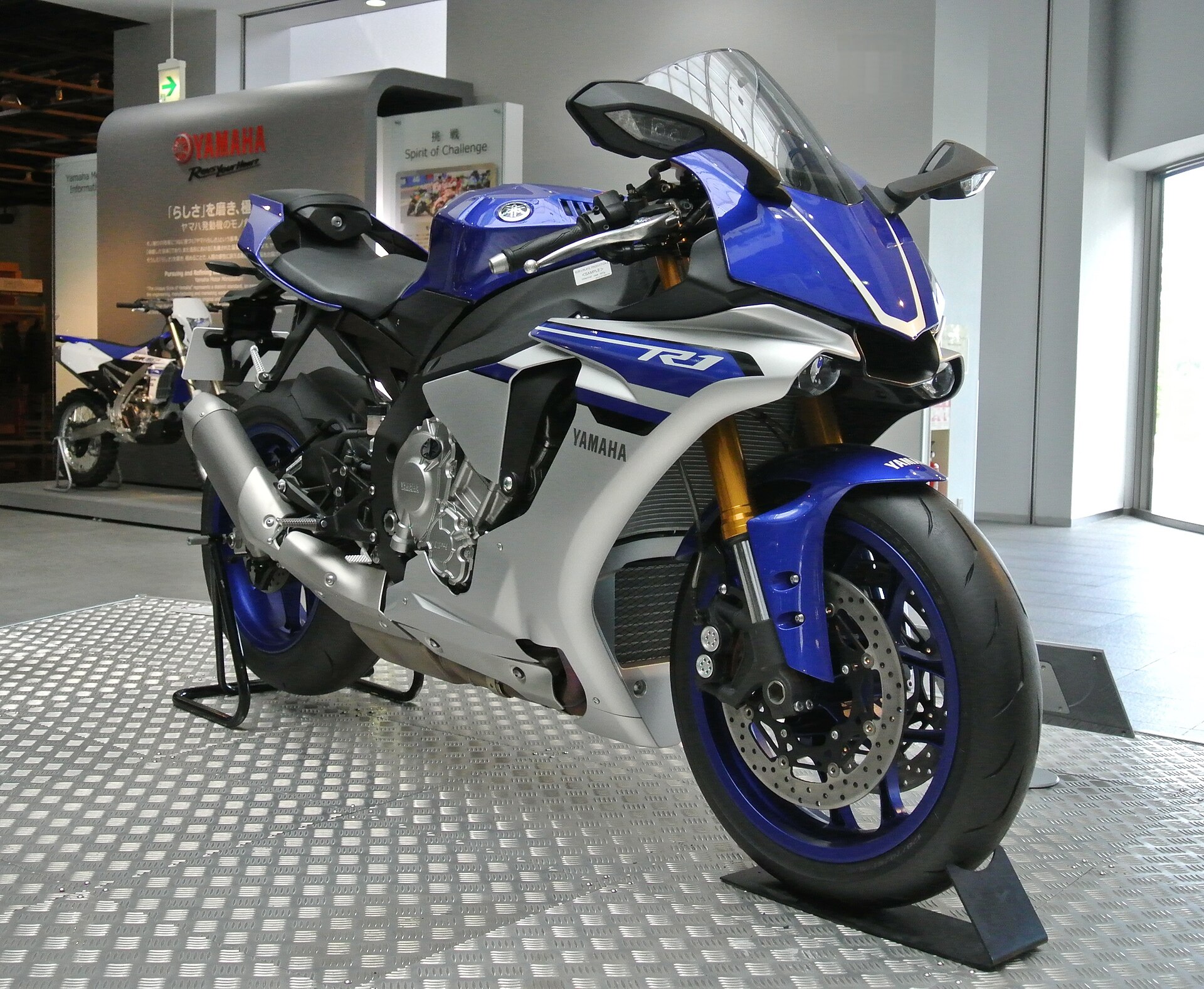
There is no better way to become a smoother, safer and faster rider than a track day. With no oncoming traffic, no junctions, generous run-off and marshals watching every corner, a circuit is the one place you can explore what your motorcycle and your skill can really do in relative safety. Whether you ride a focused sportbike like the Yamaha YZF-R1 or a humble commuter, the experience will transform your road riding — and it is enormous fun.
The prospect can feel daunting the first time, so this guide walks you through preparing your bike, choosing your gear and, most importantly, managing your mindset. Get these right and your nerves will melt away within a couple of sessions, leaving only a grin you will struggle to wipe off for a week.
Prepare Your Bike
Most track days require your bike to pass a basic technical inspection, so prepare it the night before rather than in the paddock at dawn. The idea is simple: nothing should leak, come loose or shine a distracting light. Tape over the lights and mirrors or remove them, check your tyres and fluids, and make sure everything is tight. A well-prepared bike passes scrutineering in minutes and lets you concentrate on riding.
- Tape over or remove lights, mirrors and number plate to prevent flying glass.
- Check tyre condition and set pressures to your tyre supplier’s track recommendation, often a little lower than road.
- Top up and check for leaks — oil, coolant and brake fluid all get inspected.
- Ensure the chain is correctly tensioned and lubricated, and all fasteners are tight.
- Remove loose luggage, tank bags and anything that could fall off at speed.
Arrive with the bike ready and your paperwork in order. You will usually need to sign on, present your riding licence and sometimes proof of insurance or a signed disclaimer, then put your bike through noise testing and scrutineering. Get there early so none of this is rushed, unload calmly, and give yourself time to walk or study the circuit map before the first session. A relaxed, unhurried morning sets the tone for a safe and genuinely enjoyable day.
Gear Up Properly
Track days have stricter gear rules than the road, and rightly so. You will typically need a one-piece leather suit or a two-piece that zips together all the way round, plus a full-face helmet in good condition, leather gauntlet gloves and proper boots. A back protector is essential, and many riders add a chest protector or an airbag vest. If you do not own leathers, most circuits and organisers offer hire kit, so a lack of gear is no reason to stay away.
Do not overlook the smaller details of comfort and safety. Fresh brake pads and good tyres matter more on track than anywhere else, earplugs protect your hearing over a long and very loud day, and a drink and some food kept in your paddock spot keep you sharp between sessions. If you are hiring gear, arrive early to be fitted properly, because ill-fitting leathers are distracting and a poorly secured helmet is genuinely dangerous at track speeds.
There has never been a better time to hold an A2 licence. Not long ago, the restricted category was a purgatory of underpowered commuters and plasticky learner specials, machines you tolerated until the day you could finally buy something you actually wanted. That era is over. Manufacturers have realised that A2 riders are the customers of tomorrow, and they are now building genuinely desirable bikes designed to thrive within the 35kW limit rather than merely survive it, complete with real suspension, proper brakes and styling that turns heads at the coffee stop.
For anyone unfamiliar, the A2 licence caps power at 35kW, or roughly 47 horsepower, with a power-to-weight ceiling that stops riders simply restricting a superbike and calling it a day. The clever part of the modern market is how many bikes are engineered from the outset to hit that figure while still feeling complete, exciting and grown-up. Here is where a new rider should be looking, and why the choice has never been richer or more genuinely tempting.
The Sporty All-Rounder
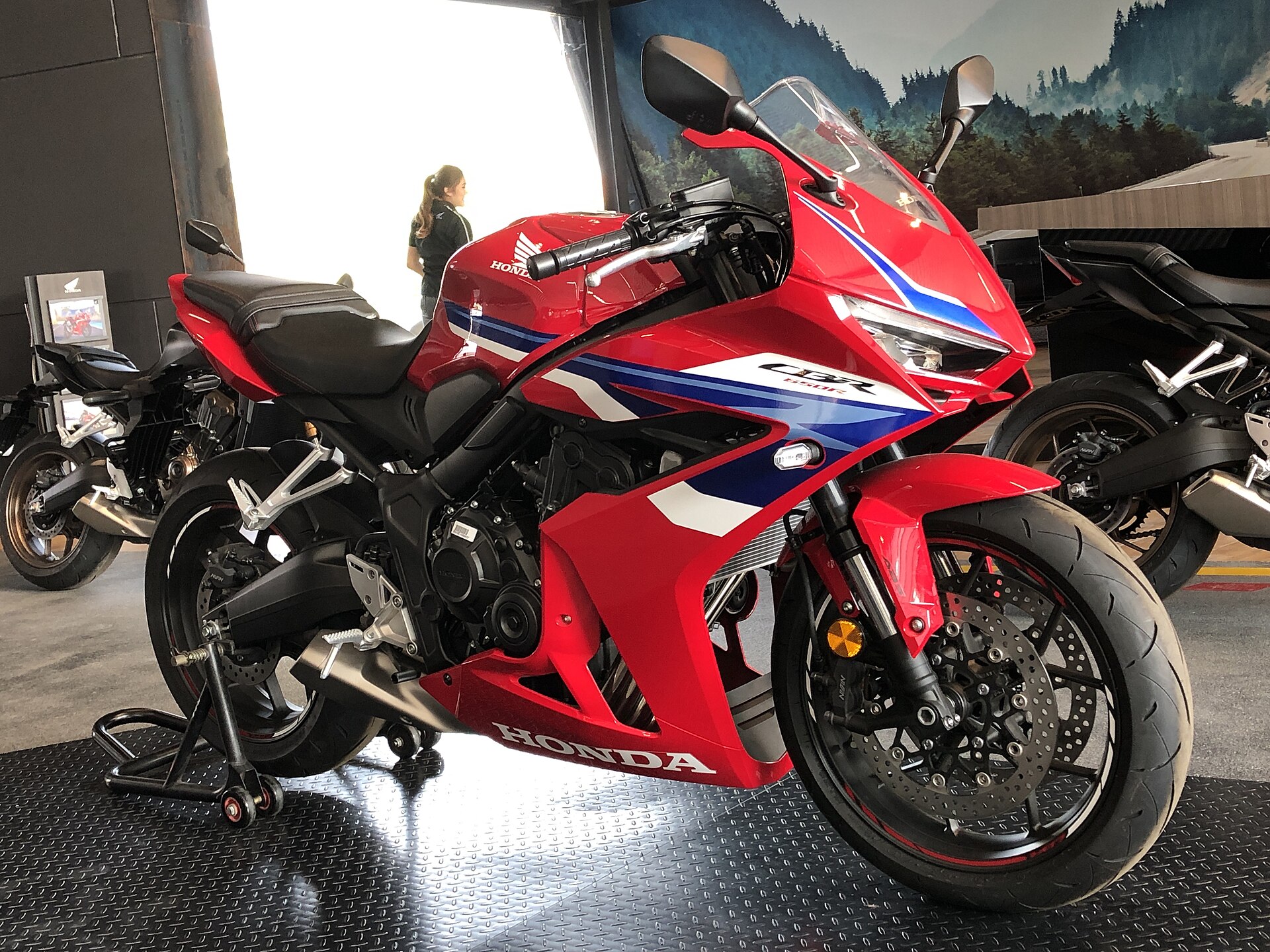
The Honda CBR650R is the poster child for how far A2 machinery has come. In restricted form it delivers a smooth, revvy inline-four soundtrack that no twin can match, wrapped in bodywork that looks every bit the proper sportbike rather than a compromised trainer. The optional E-Clutch removes stalling anxiety at junctions without turning the bike into an automatic, a genuine boon for a nervous newcomer negotiating city traffic for the first time. Crucially, when you upgrade to a full licence you simply have the restriction removed and unlock the bike’s full potential, so your first serious purchase does not become obsolete the moment your test is behind you.
The Adventure Everyman
If tarmac feels too narrow a horizon, the Royal Enfield Himalayan 450 is the most charming way into adventure riding on an A2 licence. Its 452cc single produces modest but perfectly judged power, an upright stance that builds confidence, and a price that leaves money for the gear and the trips that matter more than any spec sheet. It will never win a drag race, but it will happily carry you across a continent, and it teaches throttle control and momentum in a way that makes you a better rider for whatever comes next. There is a rare honesty to a bike that asks you to work with it rather than simply overwhelming every obstacle with power.