The A2 licence used to mean compromise. Buy something small, sensible and a little bit sad, then count down the days until your restriction lifted and you could finally have a proper motorcycle. The Kawasaki Ninja 500 and Aprilia RS 457 are the loudest proof yet that those days are over. Both are full-fairing, parallel-twin sportsbikes built from the ground up for restricted licences, and both are genuinely good motorcycles rather than watered-down ones.
We spent real time on both, back to back, on the same roads and at the same pace, and the gap between them turned out to be far more interesting than a simple spec-sheet swap. One is the safe, sensible evolution of a bike that has taught a generation of riders how to use a clutch. The other is a proper Italian sportsbike shrunk down to size, engineered in-house rather than bought off a shelf. Neither is the wrong answer. But they are answers to slightly different questions.
Engine character
Kawasaki’s 451cc parallel-twin is the bigger-bore evolution of the engine that powered the outgoing Ninja 400, and it shows in the best way. Power arrives smoothly and predictably from low revs, with none of the nervous snatchiness that can catch out a genuine beginner, and the extra displacement over its predecessor fills in exactly the mid-range hole that used to force constant gear-changing. It is not an exciting engine in isolation, but it is an honest one, and honesty matters enormously to someone still learning where the friction point on a clutch lever actually is.
Aprilia took a different, riskier route. Rather than adapting an existing unit, it engineered the 457cc twin in-house, with an uneven crank-pin offset that gives the engine a slightly lumpier, more characterful pulse than you would expect from something this small. Peak output lands right at the 35kW A2 ceiling by design, which means Aprilia never needed a restrictor kit to keep it legal, a detail Kawasaki’s more powerful twin cannot claim in every market. On the road the RS 457 feels the eager one of the two, keener to be revved, with a top end that genuinely rewards you for reaching for it.
Chassis and handling
This is where the badge on the tank starts to matter. The Ninja 500 wraps its twin in a conventional steel frame tuned for stability and predictability above all else, and it works. The bike is forgiving over broken tarmac, unbothered by a nervous rider stabbing at the bars, and happy to be ridden slowly without complaint. It steers accurately enough for a Sunday blast but never asks you to commit hard to a line, which is exactly the point for a bike aimed at someone still building confidence.
The Aprilia bolts its engine into a proper trellis frame, the same basic philosophy that underpins its RSV4 and Tuono flagships, and the difference is obvious the first time you tip it into a corner. It turns in faster, holds a line with more precision, and feels genuinely eager rather than merely capable. That sharpness comes with a small cost in outright forgiveness. The RS 457 rewards a rider who commits to the line they picked, rather than one who is still figuring out where the line should go. It is the more thrilling chassis, and also the more demanding one.
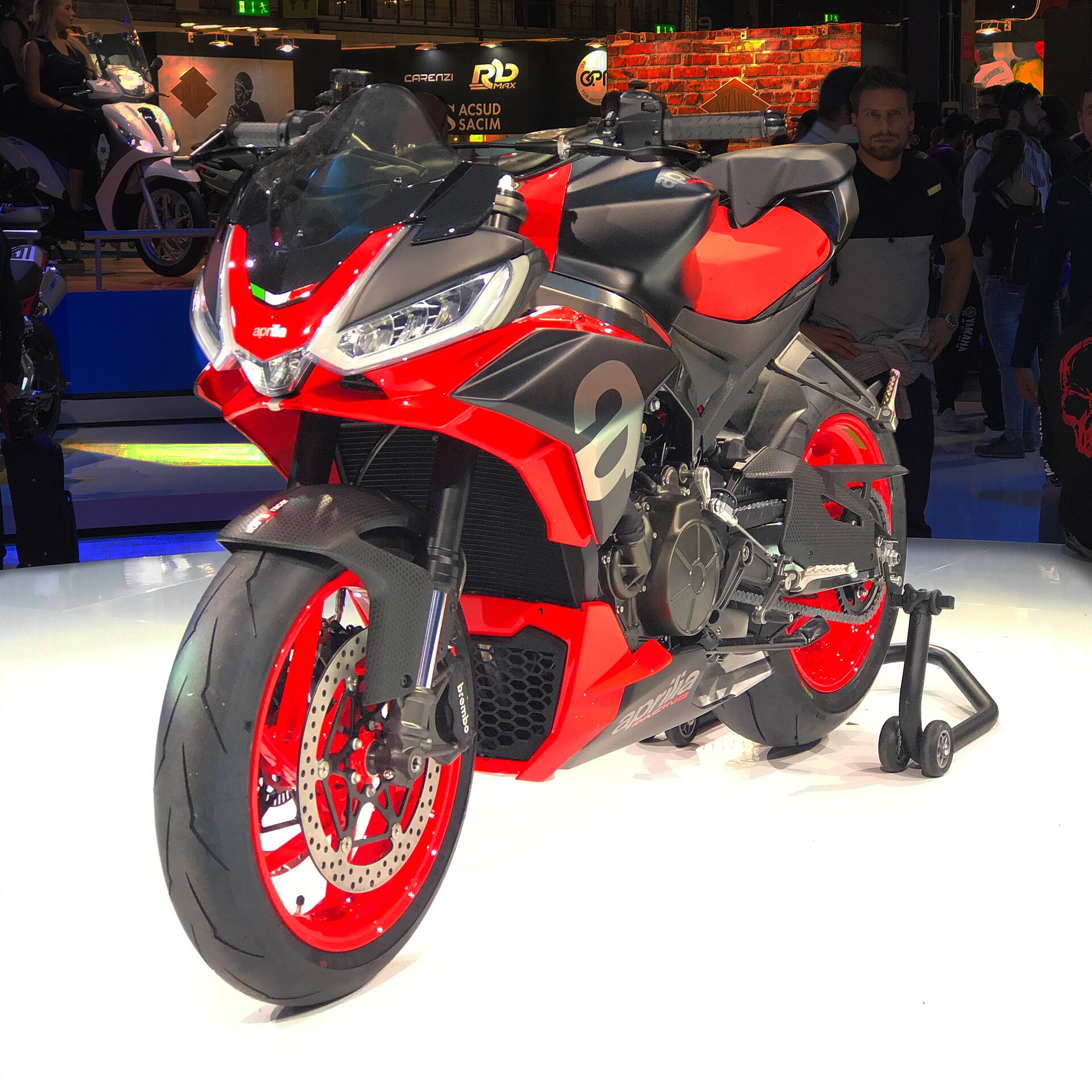
It is easy to be seduced by big numbers, but the Tuono 660 makes a compelling case that the most thrilling motorcycles are often the lightest. Aprilia took its RS 660 sportbike, raised the bars, sharpened the attitude and created a naked that trades brute force for a scalpel-like precision. On a real road, ridden hard, it delivers a purity of experience that far more powerful machines struggle to match.
This is a bike built by a company with racing in its blood, and it shows in every input. The Tuono 660 does not overwhelm you with power; it invites you to carry corner speed, to be smooth, to enjoy the process. Get it right and it flows down a ribbon of tarmac like almost nothing else at the price.
A twin with genuine character
The 659 cc parallel-twin, effectively the front bank of Aprilia’s V4 superbike engine, produces 95 hp at 10,500 rpm and a useful 67 Nm of torque. That may sound modest against triples and fours, but in a bike this light it is more than enough to thrill, and the 270-degree crank hands it a throaty, characterful bark that belies its middleweight displacement.
The delivery is the clever part. There is enough low-down drive to make it easy in town, a strong, elastic midrange that suits real-world roads perfectly, and a top-end that rewards a committed rider chasing the redline. It will dispatch 100 km/h in around 3.6 seconds and stretch to 220 km/h, but it is the everyday accessibility of that performance that makes it so addictive.
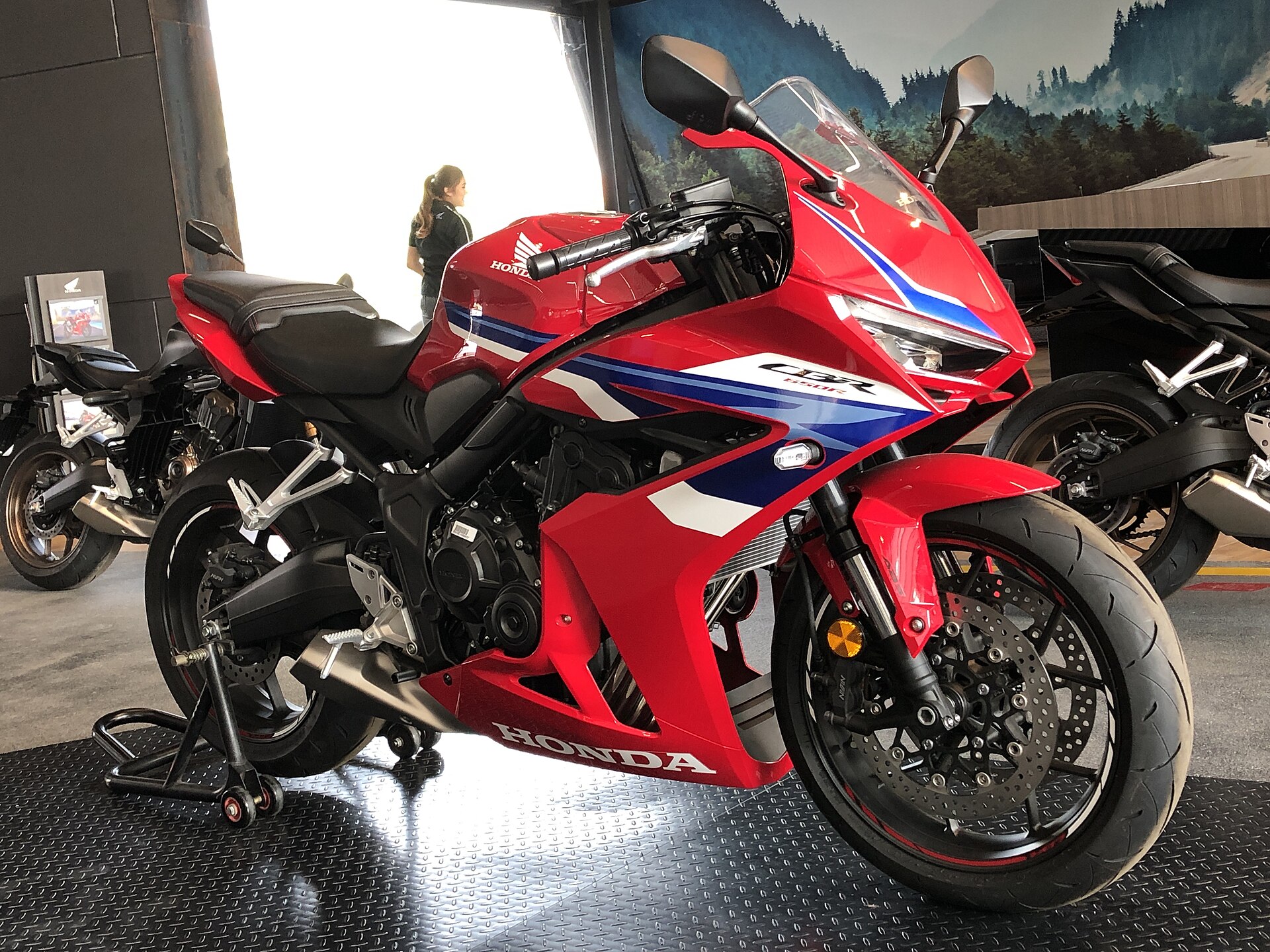
Not everyone wants two hundred horsepower and a licence-shredding top speed. For a huge swathe of riders, the sweet spot is a bike with around ninety-something horses — quick enough to thrill, gentle enough to enjoy, and friendly enough to ride every single day without drama. Two very different machines chase that fertile middle ground: the Honda CBR650R and the Aprilia Tuono 660.
The Honda represents the traditional, dependable path — a jewel-like inline-four in a comfortable sporty package with a badge you can trust for a decade. The Aprilia takes the modern route — a light, torquey parallel twin drenched in the kind of electronics normally reserved for full-blown superbikes. Which philosophy wins depends entirely on what you want from your riding.
Engine and performance
The CBR650R’s 649cc inline-four is a throwback in the best possible sense. Making 94 hp and 63 Nm, it is smooth, revvy and rewards a rider who loves to chase the redline, singing a delicious four-cylinder wail on the way to its power peak. The Tuono 660’s 659cc parallel twin makes a similar 95 hp but a healthier 67 Nm, and delivers it with a punchier, torquier mid-range that feels quicker in real-world riding. The twin is faster point to point; the four is more soulful at full stretch.
The Tuono is also dramatically lighter, at around 183 kg against the Honda’s 208 kg. That 25-kilo gulf transforms the character completely: the Aprilia feels like a proper sports bike, eager and flickable and always ready to attack, while the CBR feels more like a relaxed sports tourer that happens to look racy in the showroom.
Chassis and handling
The Aprilia is the sharper instrument by a clear margin. Its light weight, aggressive geometry and quality suspension make it a joy on a twisty road, far closer in spirit to the firm’s RS 660 sportbike than its upright bars might suggest. The Honda is competent and stable, with a planted, forgiving feel that inspires confidence, but it never begs to be hurled at an apex the way the Tuono does. For outright cornering fun and involvement, the Aprilia wins comfortably.
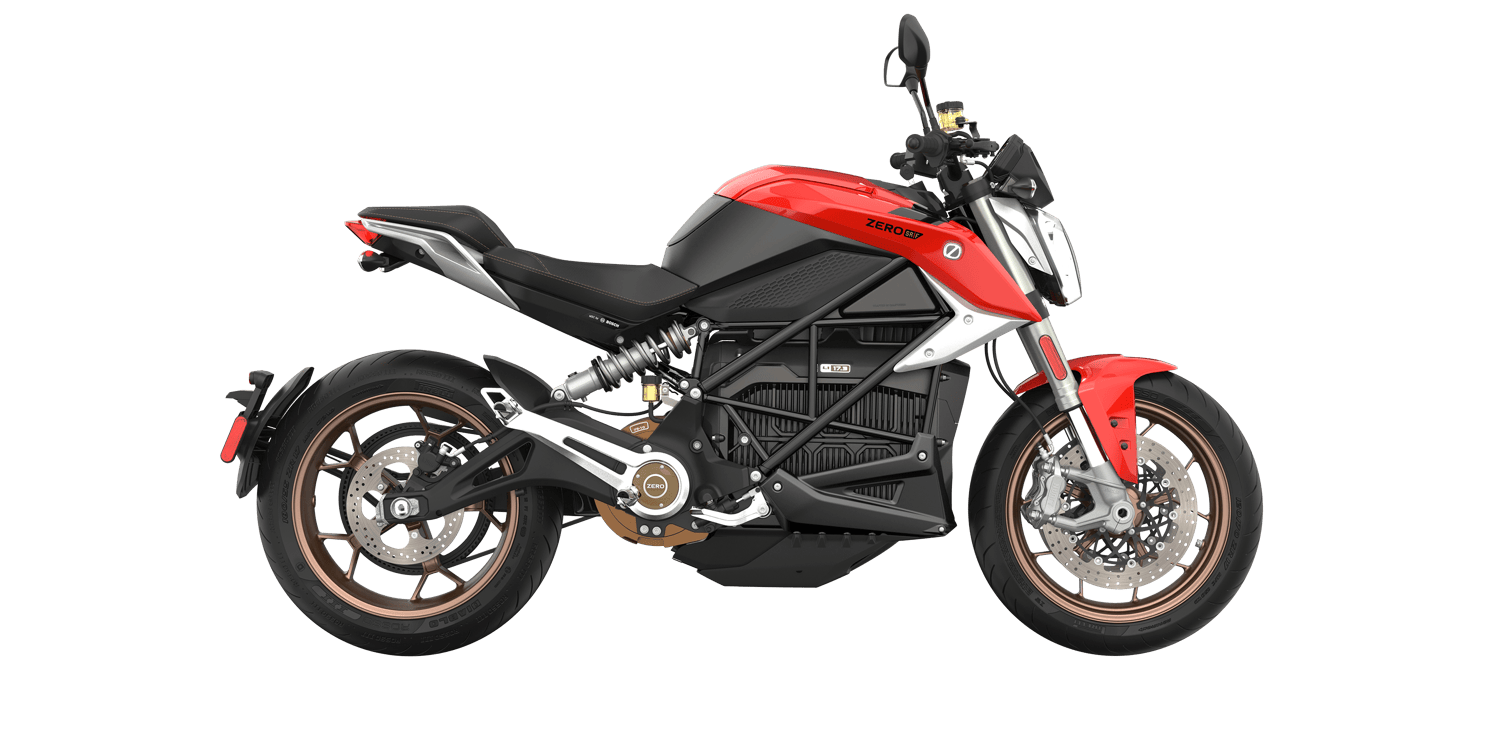
This is not a fair fight, and that is exactly why it fascinates. On one side, the Zero SR/F — a fully electric naked bike that answers the throttle with instant, silent, savage torque. On the other, the Aprilia Tuono 660 — a jewel of a petrol twin that revs, snarls and demands you play with its gearbox. They cost roughly similar money in some markets, yet they represent entirely different visions of what a motorcycle should be in the years ahead.
For riders weighing the leap to electric, this is the comparison that matters most: does the future’s clean convenience outweigh the present’s raw charisma? We rode both hard, on the same roads, to separate the hype from the reality.
Powertrain and performance
The Zero SR/F’s motor delivers around 110 hp but a staggering 190 Nm of torque — and crucially, all of it is available from a standstill. There is no clutch, no gears, no waiting for revs to build; twist the throttle and the SR/F simply hurls itself forward with a smoothness no combustion engine can replicate. The Aprilia’s 659cc twin makes a comparable 95 hp and a modest 67 Nm, but you must work for every bit of it, chasing the tacho and banging through the slick gearbox.
The Zero feels quicker in a straight sprint away from the lights; the Aprilia feels more alive at every other moment of the ride. One rewards the wrist alone; the other rewards the whole body, the ears and the imagination. Which thrill you prefer says a great deal about the kind of rider you are, and there is genuinely no wrong answer here.
Range, refuelling and weight
Here the petrol bike strikes back hard. The Aprilia will comfortably travel 300 km or more on a tank and refuel in three minutes anywhere on earth, no planning required. The Zero, depending on riding style and battery options, manages a real-world highway range closer to 160 km before needing a charge that takes far longer than any fuel stop. The SR/F is also heavier, at around 208 kg against the featherweight Tuono’s 183 kg, and you feel that extra mass keenly at low speed and in tight corners.