Magazine / News
Radar Cruise Control Is Coming to Every Bike. Here’s Why.
Radar-assisted cruise control has jumped from flagship tourers to the mainstream in barely three years, and the reasons behind its rapid spread say more about the future of riding than any spec sheet.
· Jun 5, 2025
Three years ago, adaptive cruise control on a motorcycle was an exotic curiosity, restricted to a handful of premium tourers and treated with deep suspicion by traditionalists. Today it is spreading through the market at a pace that has surprised even the engineers who built it. Front and rear radar modules, once the preserve of six-figure machines, now appear on bikes you might reasonably commute on. The technology has crossed the line from novelty to expectation, and understanding why tells you a great deal about where riding is headed over the next decade.
The short version is that the hardware got cheap and the software got good. Automotive radar development, funded by billions of dollars of car-industry investment, produced sensors small and affordable enough to bolt onto a headstock. Motorcycle engineers adapted them, refined the algorithms for a leaning vehicle, and the result is a system that now costs manufacturers a fraction of what it did at launch. Once a component becomes that cheap, its spread across a range is only a matter of time.
What the Radar Actually Does
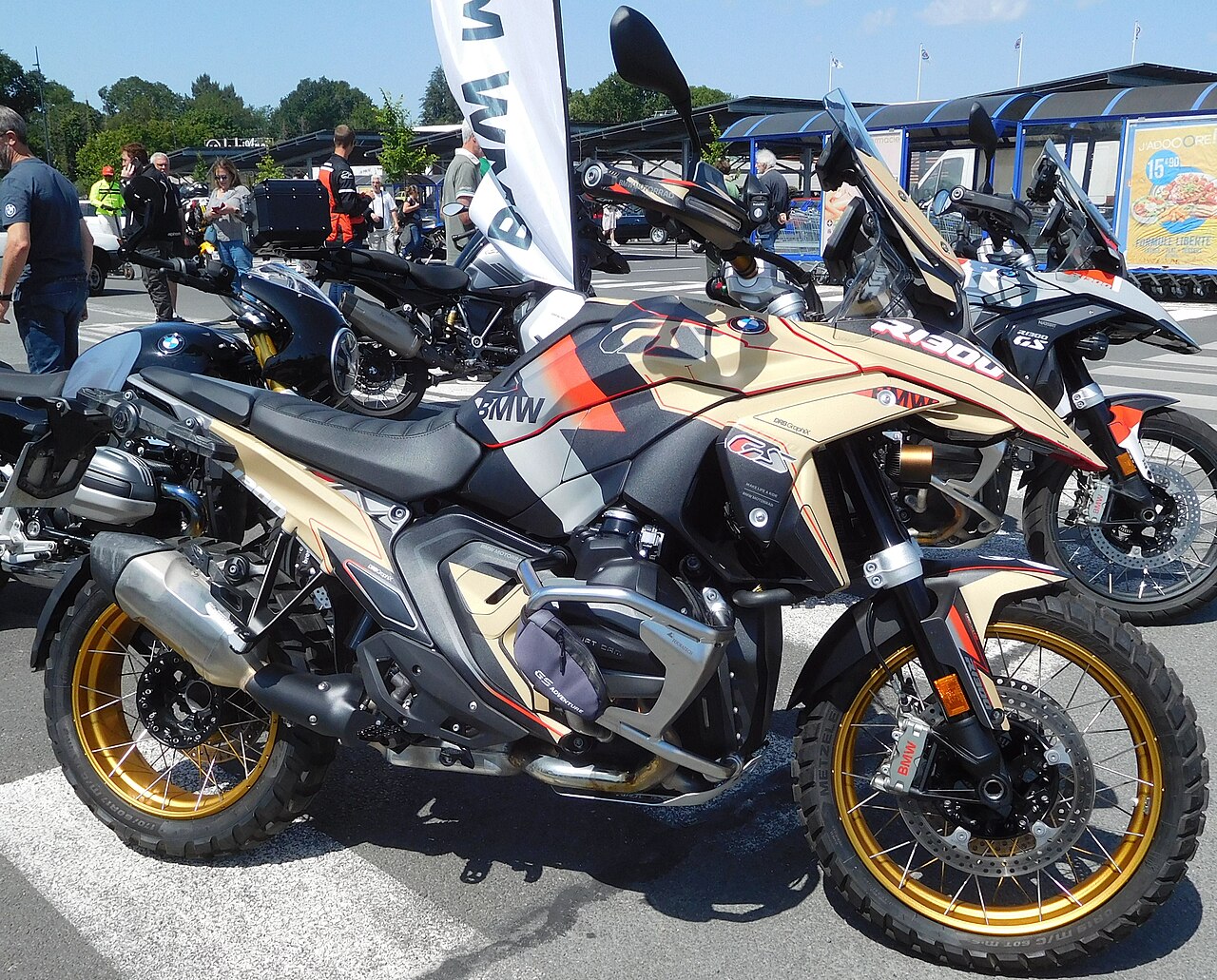
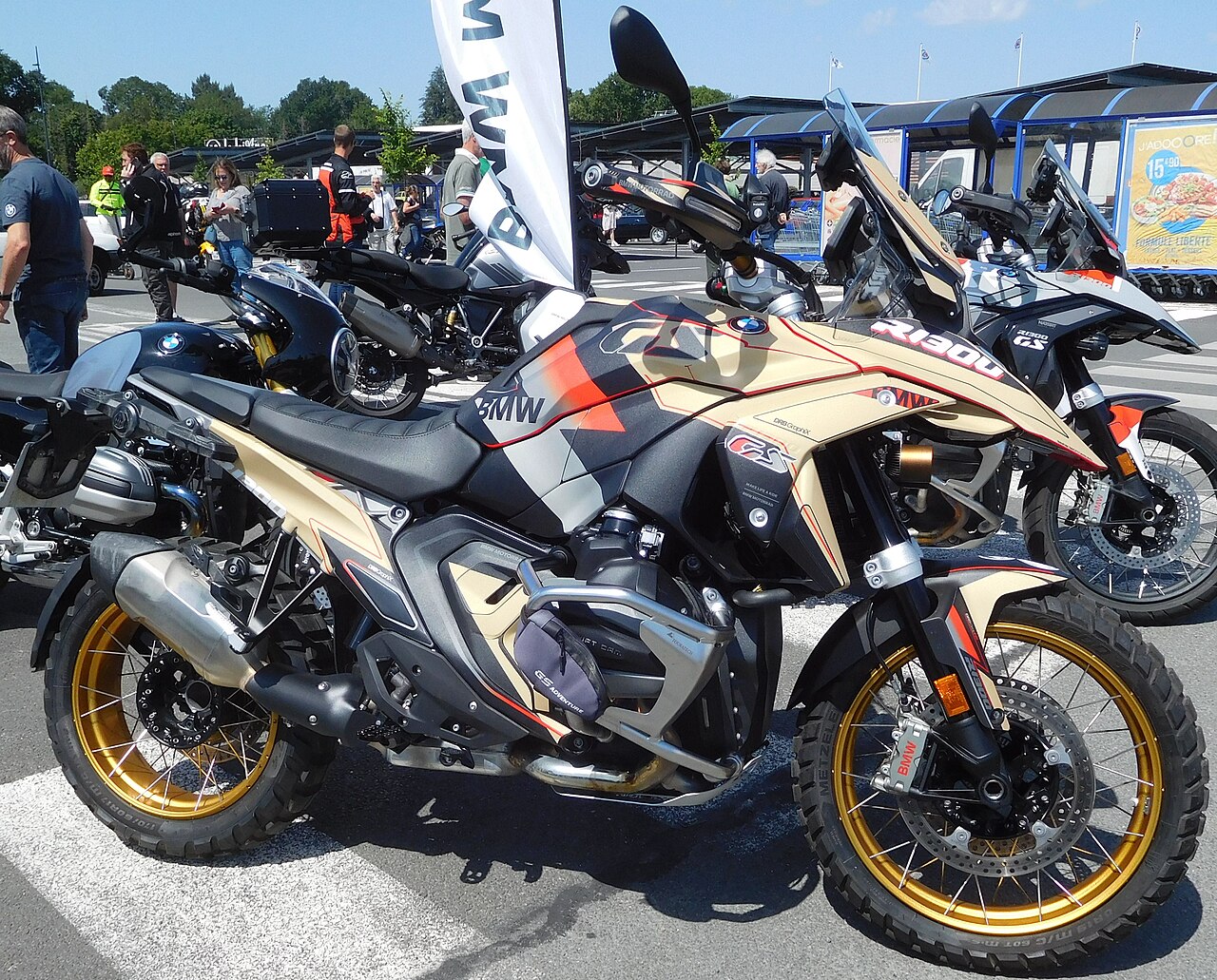
At its simplest, forward radar lets the bike hold a set distance from the vehicle ahead, easing off and accelerating automatically as traffic ebbs and flows. On a long motorway slog this transforms the experience, removing the constant throttle micro-adjustments that quietly exhaust a rider over hundreds of miles. But the same sensor enables far more: forward collision warning, blind-spot monitoring from a rear unit, and lane-change alerts that flash when something lurks in your mirrors. On the BMW R1300GS the system is polished enough to feel invisible until you need it, which is exactly the point of a well-designed rider aid.
Why It Spread So Fast
Cost was the trigger, but demographics pulled it through. The average buyer of a large-capacity bike is older and more affluent than a decade ago, has likely experienced adaptive cruise in a car, and expects the same convenience on two wheels. Manufacturers noticed. Fitting radar also lets a brand charge a premium and, crucially, differentiate a flagship in a crowded market. When KTM added it to the 1390 Super Duke R, a bike whose entire identity is aggression, it was a clear signal that radar is no longer just a touring accessory but a mark of a serious modern motorcycle, as expected on a flagship as a colour dashboard or a quickshifter.