Magazine / News
Kawasaki Ninja 1000SX 2026: The Sport-Tourer That Didn’t Need Reinventing
Kawasaki hasn't reinvented the Ninja 1000SX for 2026 -- it's sharpened it. Here's what actually changed, and why that restraint is the smartest thing about it.
· Jun 21, 2026
Kawasaki doesn’t do sport-tourers by half measures, and the 2026 Ninja 1000SX proves it again without reinventing anything that didn’t need reinventing. This is a bike built for riders who want three hundred road miles in a day and a genuine sense of speed once the motorway ends, and for 2026 Kawasaki has sharpened exactly the parts of the package that mattered instead of chasing a redesign for its own sake.
That’s the headline, really: this isn’t a ground-up rethink. It’s a mature, fast, comfortable machine getting the electronics and finishing touches that keep it relevant against a field of rivals that have all gotten more expensive, more complicated, and in some cases more compromised. The 1043cc inline-four is still doing the heavy lifting, and it’s still one of the most satisfying engines in the class.
What's Actually New for 2026
The changes for 2026 are evolutionary rather than revolutionary, and that’s the right call for a bike that was already close to sorted. Kawasaki has refined the electronics suite — the IMU-based platform still underpins cornering ABS and traction control, but the calibration feels smoother at the margins, less like a system stepping in and more like it was never needed in the first place. The quickshifter remains standard fitment, and it’s still one of the slicker units in the class in both directions.
The TFT dash and Kawasaki’s Rideology smartphone connectivity carry over largely unchanged, which is fine — they already worked well enough. Where you’ll actually notice a difference is in small aerodynamic tweaks around the screen and fairing, aimed at cutting the buffeting that annoyed taller riders on earlier versions, plus a fresh set of colourways that lean into the SX’s sporting identity rather than pretending it’s an adventure bike in a two-piece suit.
None of this is flashy news. There’s no new engine, no radical chassis rework, no semi-active suspension arriving to justify a price hike. That restraint is arguably the smartest thing about the 2026 update: Kawasaki knows exactly what this bike is for, and it hasn’t tried to turn it into something else.
Sport-Tourer, Not Adventure-Tourer, Not Full Dresser
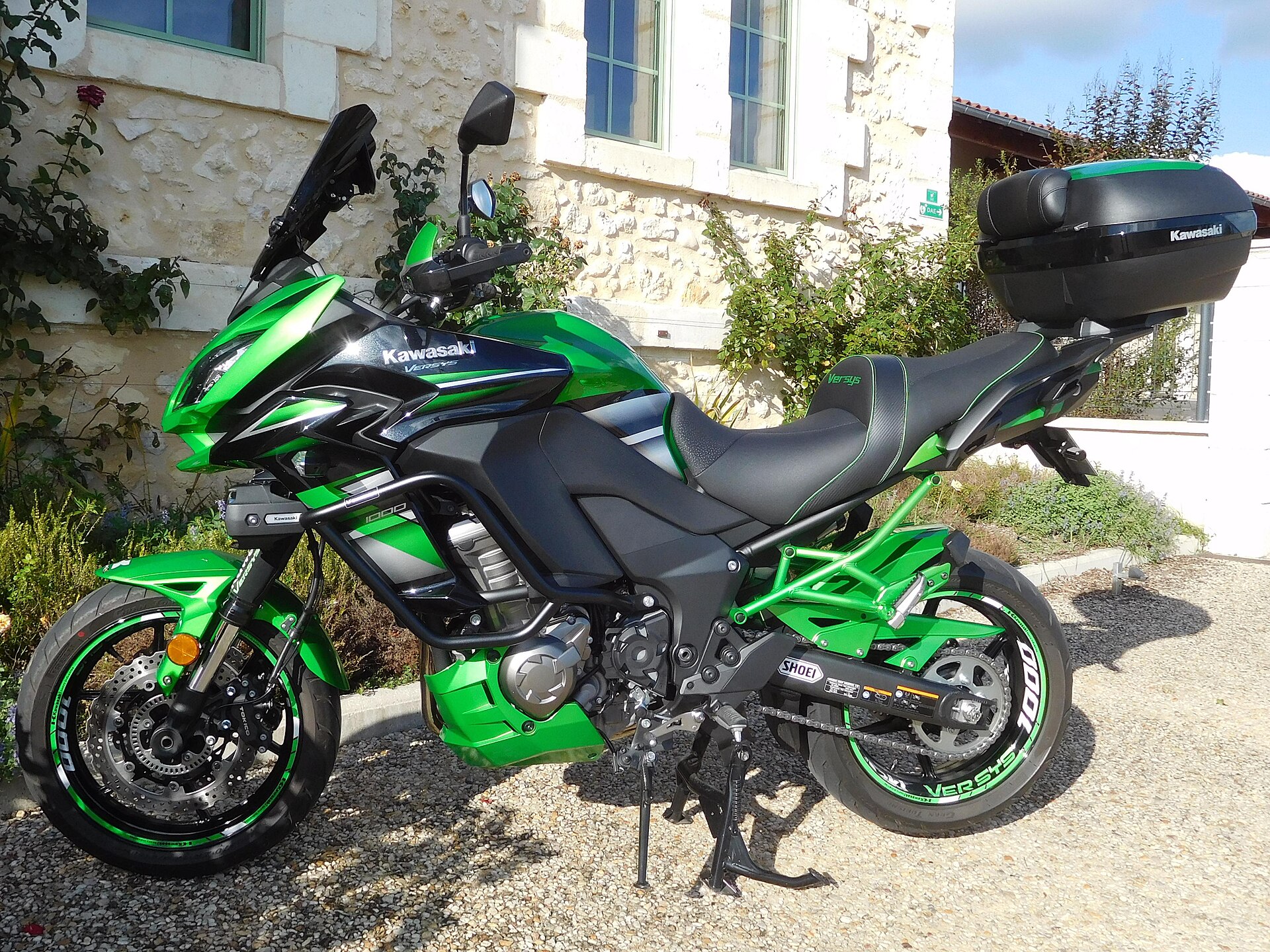
The sport-touring middle ground has gotten crowded and confused. Adventure-styled machines like Kawasaki’s own Versys 1000 borrow the same engine and try to do everything at once, while bikes like the BMW R1250RT lean fully into touring comfort at the cost of any real sporting intent. The Ninja 1000SX sits deliberately in between, and that positioning is the entire point of the bike.
It doesn’t have the wind protection of a full tourer, and it doesn’t want it. What it offers instead is a proper sportbike riding position softened just enough for a long day, a fairing that actually manages air rather than just looking sporty, and a chassis that will happily follow something far more exotic through a set of corners it has no business keeping up with. Set it against something like the Ducati Multistrada V4 and the difference in character — and in price — is stark.
This is also not a bike for riders chasing outright drama. If you want a hyper-sport experience, look elsewhere. The 1000SX’s whole appeal is that it’s quick without being intimidating, comfortable without being soft, and capable of covering serious distance without ever feeling like you’re piloting something the size of a Honda Gold Wing.
On the Road: The Bit That Actually Matters
Numbers on a spec sheet don’t tell you what a bike feels like at 7,000rpm with a full tank and 200 miles still to go, and that’s where the 1000SX earns its reputation. The inline-four pulls hard and cleanly from low in the revs, with none of the flat spots that plague some torque-focused sport-tourers, and it still has enough top-end urgency to make an overtake feel genuinely satisfying rather than merely adequate.
The riding position rewards a long stint better than most bikes wearing this much fairing plastic. Wrists carry a fair chunk of weight at low speed, as you’d expect from something with sporting DNA, but that weight disappears once you’re moving and the aero is doing its job. The seat is the one component that starts reminding you of the miles after a few hours — it’s fine, not outstanding, and riders planning genuinely long tours would be sensible to budget for an aftermarket perch.