Magazine / Guides
So You Want a Superbike: How to Choose Your First Litre Bike
A modern litre-class superbike is a road-legal race weapon, so choosing your first one wisely — electronics, ergonomics and honest self-assessment — is the difference between exhilaration and disaster.
· Oct 27, 2025
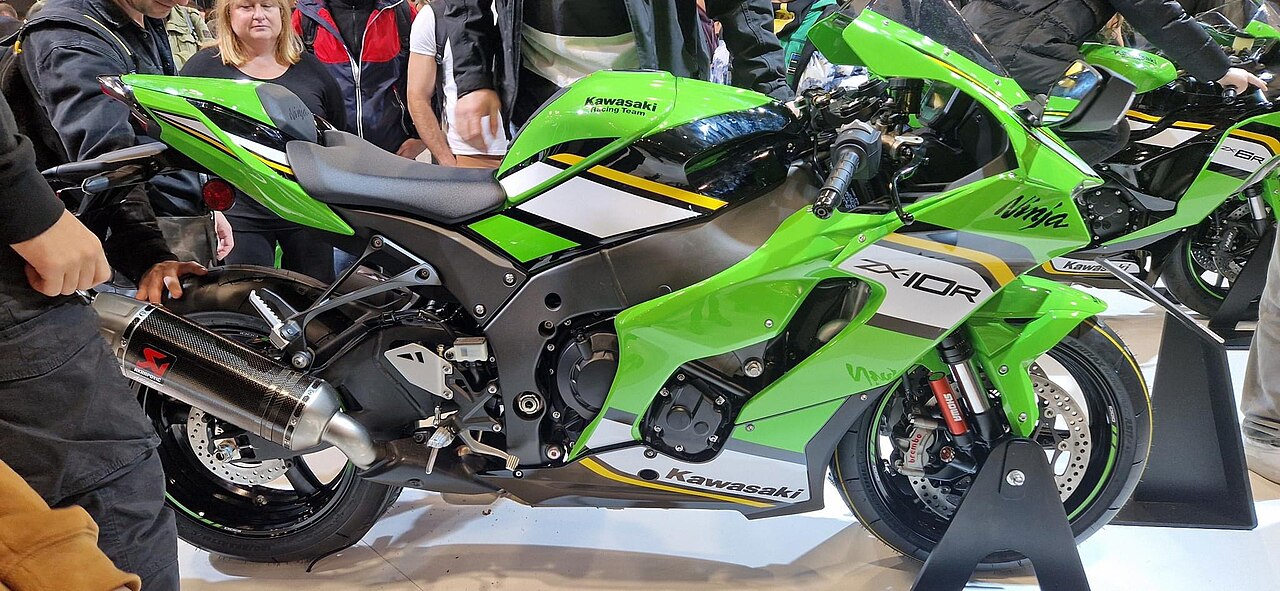
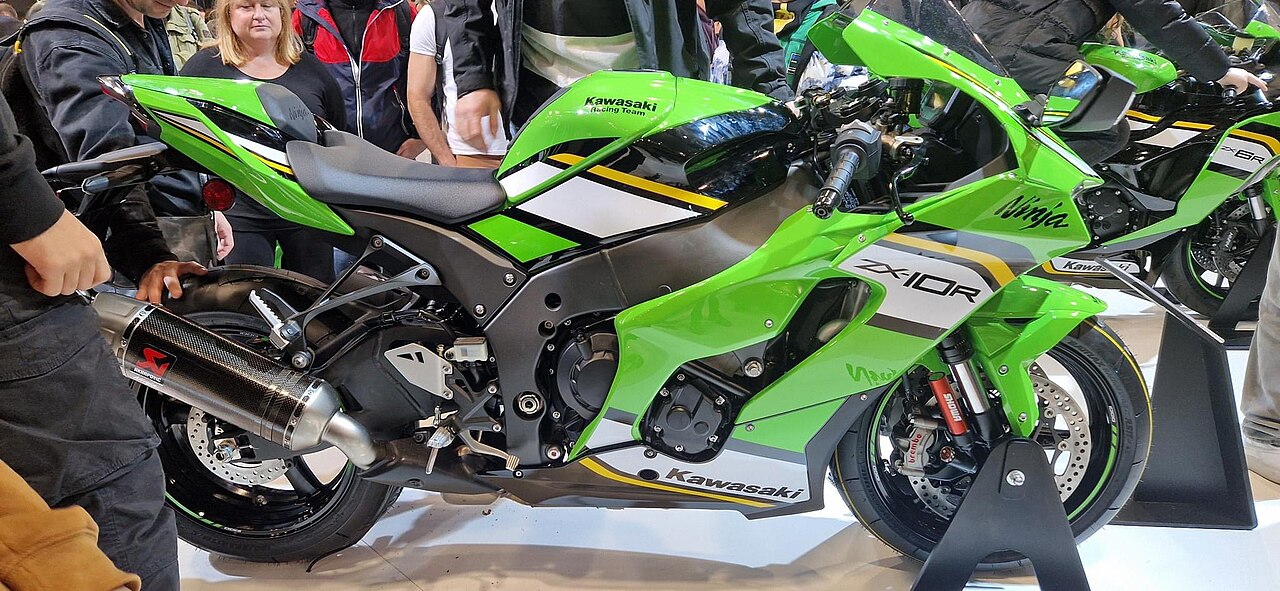
A modern litre-class superbike is one of the most extraordinary machines you can legally own. With around 200 horsepower, a power-to-weight ratio that shames most supercars and electronics developed on the racetrack, bikes like the Kawasaki Ninja ZX-10R and Suzuki GSX-R1000R deliver performance that was pure fantasy a generation ago. Choosing your first one is thrilling — but it demands honesty, because these bikes have zero tolerance for carelessness.
Let us be clear from the start: a litre superbike should never be a first motorcycle. This guide assumes you already have solid road experience and now want to step up wisely. The aim is to help you pick a machine that flatters your ability, protects you with genuinely useful rider aids, and rewards you as your skill grows rather than punishing you for lacking it.
Respect the Performance
The headline is straightforward. A modern superbike can reach the national speed limit in first gear and accelerate hard enough to loft the front wheel or spin the rear in the blink of an eye. That is not a reason for fear, but it is a reason for respect. The riders who come unstuck are almost always those who treat that power as a toy rather than a tool, twisting the throttle before their skills, their tyres or the road can take it.
Insurance is part of that respect, and it can be sobering. Litre superbikes sit in the very highest premium brackets, especially for younger or newly qualified riders, and theft is a real risk given their desirability. Get firm quotes before you buy, factor in secure storage and a good lock or tracker, and remember that the cheapest bike to purchase is rarely the cheapest to own. Budgeting honestly here prevents an expensive shock a month after the keys land in your hand.
Electronics Are Your Safety Net
The single best reason to buy a current superbike over an older one is the electronics package. A six-axis IMU allows the bike to understand lean angle and manage grip mid-corner, and the aids built on it can save a moment that would once have ended in the scenery. On bikes like the ZX-10R and GSX-R1000R these systems are genuinely sophisticated. Learn to use them, set them conservatively at first, and let them earn their keep while you build feel.
- Cornering ABS — brakes intelligently even while the bike is leaned over.
- Traction control — limits rear wheelspin; start on a higher intervention setting.
- Rider modes — choose a softer power map for road and wet conditions.
- Wheelie and launch control — manage the front end and hard starts.
- Up-and-down quickshifter — clutchless changes that keep you smooth and settled.
- Engine brake control — smooths the effect of the throttle closing into corners.
A word of caution, though: electronics manage grip, they do not create it. Traction control cannot save you from cold tyres, a snapped-shut throttle mid-corner or a target fixation into a hedge. Treat the aids as a safety net for genuine mistakes rather than a substitute for skill, keep them switched on while you learn the bike, and resist the temptation to chase the sharpest, least-assisted mode until your riding truly deserves it.
New Versus Used
A used superbike can look like a bargain, but tread carefully. These bikes are often ridden hard and sometimes tracked, so a full service history, unmarked bodywork and honest ownership matter enormously. A newer example brings the latest electronics, a warranty and known provenance. Whichever way you go, budget for consumables — sport tyres, brake pads and chains all wear quickly on a bike ridden with enthusiasm — and never buy one that has obviously been crashed and rebuilt.
Servicing costs deserve real thought as well. Superbikes run frequent, involved service schedules, and jobs such as valve-clearance checks, fork rebuilds and brakes are not cheap on a high-performance machine. A comprehensive, stamped history is therefore worth paying more for, because it hints at an owner who genuinely cared. If a deal seems too good to be true, assume there is a reason, and walk away from any bike with a suspiciously vague past or mismatched, freshly painted panels.