Kawasaki doesn’t do sport-tourers by half measures, and the 2026 Ninja 1000SX proves it again without reinventing anything that didn’t need reinventing. This is a bike built for riders who want three hundred road miles in a day and a genuine sense of speed once the motorway ends, and for 2026 Kawasaki has sharpened exactly the parts of the package that mattered instead of chasing a redesign for its own sake.
That’s the headline, really: this isn’t a ground-up rethink. It’s a mature, fast, comfortable machine getting the electronics and finishing touches that keep it relevant against a field of rivals that have all gotten more expensive, more complicated, and in some cases more compromised. The 1043cc inline-four is still doing the heavy lifting, and it’s still one of the most satisfying engines in the class.
What's Actually New for 2026
The changes for 2026 are evolutionary rather than revolutionary, and that’s the right call for a bike that was already close to sorted. Kawasaki has refined the electronics suite — the IMU-based platform still underpins cornering ABS and traction control, but the calibration feels smoother at the margins, less like a system stepping in and more like it was never needed in the first place. The quickshifter remains standard fitment, and it’s still one of the slicker units in the class in both directions.
The TFT dash and Kawasaki’s Rideology smartphone connectivity carry over largely unchanged, which is fine — they already worked well enough. Where you’ll actually notice a difference is in small aerodynamic tweaks around the screen and fairing, aimed at cutting the buffeting that annoyed taller riders on earlier versions, plus a fresh set of colourways that lean into the SX’s sporting identity rather than pretending it’s an adventure bike in a two-piece suit.
None of this is flashy news. There’s no new engine, no radical chassis rework, no semi-active suspension arriving to justify a price hike. That restraint is arguably the smartest thing about the 2026 update: Kawasaki knows exactly what this bike is for, and it hasn’t tried to turn it into something else.
Sport-Tourer, Not Adventure-Tourer, Not Full Dresser
The sport-touring middle ground has gotten crowded and confused. Adventure-styled machines like Kawasaki’s own Versys 1000 borrow the same engine and try to do everything at once, while bikes like the BMW R1250RT lean fully into touring comfort at the cost of any real sporting intent. The Ninja 1000SX sits deliberately in between, and that positioning is the entire point of the bike.
It doesn’t have the wind protection of a full tourer, and it doesn’t want it. What it offers instead is a proper sportbike riding position softened just enough for a long day, a fairing that actually manages air rather than just looking sporty, and a chassis that will happily follow something far more exotic through a set of corners it has no business keeping up with. Set it against something like the Ducati Multistrada V4 and the difference in character — and in price — is stark.
This is also not a bike for riders chasing outright drama. If you want a hyper-sport experience, look elsewhere. The 1000SX’s whole appeal is that it’s quick without being intimidating, comfortable without being soft, and capable of covering serious distance without ever feeling like you’re piloting something the size of a Honda Gold Wing.
On the Road: The Bit That Actually Matters
Numbers on a spec sheet don’t tell you what a bike feels like at 7,000rpm with a full tank and 200 miles still to go, and that’s where the 1000SX earns its reputation. The inline-four pulls hard and cleanly from low in the revs, with none of the flat spots that plague some torque-focused sport-tourers, and it still has enough top-end urgency to make an overtake feel genuinely satisfying rather than merely adequate.
The riding position rewards a long stint better than most bikes wearing this much fairing plastic. Wrists carry a fair chunk of weight at low speed, as you’d expect from something with sporting DNA, but that weight disappears once you’re moving and the aero is doing its job. The seat is the one component that starts reminding you of the miles after a few hours — it’s fine, not outstanding, and riders planning genuinely long tours would be sensible to budget for an aftermarket perch.
Every few years the adventure-bike class convinces itself that the answer to “go anywhere” is a bigger engine, another screen, and one more menu of ride modes than anyone will ever cycle through in the dirt. Yamaha looked at that arms race, shrugged, and kept building the Ténéré 700 almost exactly as it always has. In 2026, that stubbornness looks less like nostalgia and more like the smartest engineering decision in the segment.
This is a bike that still measures success in kilos and Newton-metres rather than menus and megabytes, and against a field of rivals that have grown heavier, pricier and more electronically dense with every generation, that restraint has aged brilliantly. We got back on the T7 to see whether the formula still holds up in 2026 — and whether simple is still a compliment once you have ridden everything else in the class.
What actually changed for 2026
The honest answer is: almost nothing, and Yamaha would probably take that as a compliment. There is no bigger engine, no new dash, no sudden electronics overhaul. What you get is a fresh colourway or two and some detail running changes under the skin, riding on the same basic recipe Yamaha nailed at launch and has had the discipline to leave alone ever since.
That is not laziness, it is confidence. Where rivals feel obligated to reinvent themselves every couple of years to justify a new brochure, Yamaha has let the World Raid and Extreme variants soak up the extra kit — bigger tanks, crash protection, rally-spec suspension — while the standard Ténéré 700 stays the accessible, unfussy entry point into the family. For 2026 it remains exactly what made it a cult hit in the first place: a proper rally bike you can actually afford and actually live with.
The CP2 twin: still the whole point
Strip away the badge and the Ténéré’s 689 cc CP2 parallel-twin is the reason none of the rest matters much. It makes a modest-on-paper 72 hp, but the figure that actually shapes the riding experience is 68 Nm of torque arriving at just 6,500 rpm, and Yamaha’s crossplane crank gives it a lumpy, characterful pulse that feels closer to a big single than a conventional twin.
On a technical trail that translates into something rarer than horsepower: trust. You can meter the throttle over rocks and roots without the engine snatching or stalling, and there is enough low-down shove to loft the front over a ledge without slipping the clutch to death. It will see 190 km/h if you are patient about it, but that has never been the point — this engine’s real talent is making difficult terrain feel unhurried, and it has built a reputation for shrugging off neglect that far more complex rival engines simply cannot match.
A rally chassis that still means it
The chassis is where the Ténéré 700 quietly embarrasses bikes costing twice as much. A slim, 21-inch-front tubular-steel frame, a fully adjustable 43 mm upside-down fork and a rally-honed riding position add up to a bike that feels like it was actually designed by people who race in the desert, rather than one dressed up to look like it was.
At 204 kg kerb weight, it is meaningfully lighter than most of the class, and that number matters more off-road than any spec sheet suggests. Picking the bike up after a low-speed tip-over, muscling it through a rutted climb, or simply standing on the pegs for hours at a time is a different experience entirely when there is not an extra 20 or 30 kg to manhandle — and it still holds a fast road line composed enough for the motorway blast between trailheads.
Where the simplicity costs you
None of this comes free, and Yamaha has never pretended otherwise. There is no cruise control on the standard bike, the electronics package amounts to switchable ABS and not much else, and the 16-litre tank is stingy next to adventure-touring rivals built around three-figure daily distances. Riders chasing radar-guided cruise control or cornering traction control should look elsewhere; the T7 simply does not offer it.
The seat is on the firm, tall side too, at 875 mm, and taller riders will get on with it far more easily than shorter ones. None of these are surprises to anyone who has followed the bike since launch, but they are worth stating plainly: this is a machine that asks you to want less kit in exchange for less weight, less cost and less to go wrong.
The Ténéré 700 has never tried to win the spec sheet. It has spent nearly a decade quietly winning the argument that matters more — the one about what an adventure bike is actually for.— Diego Marroquín
Who it's for
- Riders who want to properly explore off-road, not just look the part
- Anyone who values low weight and mechanical simplicity over gadgets
- Buyers priced out of premium adventure bikes who refuse to sacrifice real capability
- Taller riders comfortable with a tall, purposeful seat height
- Owners who would rather service a simple twin themselves than pay a dealer for a complex one
TVS didn’t wait for anyone’s permission. While half the internet was still debating whether a 299cc adventure bike could be taken seriously, the Apache RTX 300 was already sitting in Indian showrooms with a starting price of ₹1,99,000 and a spec sheet that reads like it belongs to something costing considerably more.
That’s the real story here. The RTX 300 isn’t a rumor, a concept sketch, or a “coming soon” placeholder anymore — it launched in India in October 2025, it’s already selling in three trims, and TVS is now doing the thing that actually matters for a bike like this: showing it off in Europe, name-checking a list of more than 80 countries, and setting the small-ADV segment up for a fight it didn’t ask for.
What TVS Has Actually Confirmed
Strip away the marketing and the RTX 300 is built around a new liquid-cooled single TVS calls the RT-XD4 — 299cc, a six-speed gearbox, a slipper clutch, and output figures in the region of 35 PS at 9,000 rpm and 28.5 Nm at 7,000 rpm. It sits close in spirit to the engine architecture underpinning the Apache RTR 310, itself a product of TVS’s long-running technical collaboration with BMW Motorrad’s small-bike program. None of this is speculation; it’s what TVS itself published at launch.
The running gear is where the RTX starts punching above its price. A 41mm upside-down front fork with 180mm of travel, a rear monoshock tuned for the kind of broken tarmac that passes for a highway in most of the world, and a 19-inch front / 17-inch rear tubeless wheel combination. That wheel sizing matters more than it sounds — it’s the same philosophy Royal Enfield and BMW use on their small ADVs, prioritizing stability and tyre availability over hardcore off-road bravado.
Then there’s the electronics package, which is genuinely the headline act. A 5-inch TFT dash running TVS’s SmartXonnect suite, Google Maps mirroring, cruise control, four ride modes (Rain, Urban, Rally and Tour), switchable traction control, rally-spec ABS, and tyre pressure monitoring. Five years ago, half of that list would have been locked behind bikes costing three or four times as much.
Every year the motorcycle industry promises reinvention, and most of that promise evaporates into press-release hyperbole before the first tank of fuel is gone. 2025 has been genuinely different. This is the year the mainstream caught up with the exotic: radar cruise control, semi-active suspension and rider aids that finally earn their keep have trickled down from six-figure superbikes to machines a working rider can realistically finance. We have spent eight months riding the class of 2025 across Alpine passes, grim motorway commutes and rain-slicked test loops, back to back and in every weather, to separate the landmark bikes from the merely loud.
Narrowing a vintage year to a shortlist was painful. We judged every contender on the things that matter once the showroom gloss fades — honest range, ergonomics that survive a long day, build quality and whether the price insults your intelligence. We ignored launch-event glamour and paint options, and we rode each bike the way an owner actually would. Three machines climbed clear of the rest, and a deep supporting cast proved that this year has substance as well as headline acts. What follows is not a specification beauty contest; it is a verdict earned in the saddle.
The Adventure Benchmark Moves On
BMW did not need to reinvent the GS, which is precisely why the R1300GS is so quietly devastating. The new 1,300cc boxer is lighter, narrower and stronger than the 1250 it replaces, but the revelation is refinement. A redesigned steel-shell frame drops mass low and central, so the bike feels a full class smaller the instant it leaves the sidestand. Optional adaptive height control drops the seat at a standstill and firms things up once you are moving, defusing the one objection that always dogged the big Bavarian. It remains expensive and unashamedly complex, and the options list can add thousands before you blink. Yet no rival blends touring comfort, back-road pace and genuine trail ability quite so completely, and after a week in the saddle its competence stops feeling clinical and starts feeling like trust.
A Sport-Tourer With Two Faces
The Ducati Multistrada V4 is the bike that should not work and somehow does everything. Its 1,158cc V4 Granturismo engine shuts down its rear cylinders at idle to keep the rider cool in traffic, then unleashes a hard, exotic snarl the moment you demand it. Long service intervals finally make Ducati ownership sensible rather than merely aspirational, quietly removing the maintenance anxiety that once haunted the badge. On our thousand-kilometre loop it swallowed motorway miles with the calm of a dedicated tourer, then transformed into something startlingly sharp when the road began to writhe through the passes. Radar-managed adaptive cruise and blind-spot detection make it feel a clear generation ahead of the sport-touring establishment it competes against, and the electronics are polished enough that you stop noticing them and simply ride.
The Naked That Refuses to Grow Up
Where the big adventure bikes dazzle with breadth, the Yamaha MT-09 wins on pure, mischievous character. Its 890cc CP3 triple is one of the great modern engines — torque-rich, vocal and endlessly willing — and for 2025 Yamaha has sharpened the chassis, upgraded the electronics package and, mercifully, fixed the dim lighting that dogged earlier bikes. It undercuts almost everything else on this list by thousands, yet feels like no compromise at all. The riding position is roomy, the fuelling is crisp, and the whole machine seems engineered to make an ordinary commute feel like an event. If you want a single bike to remind you why you started riding in the first place, the MT-09 makes the strongest emotional case here, and it does so without draining your savings.
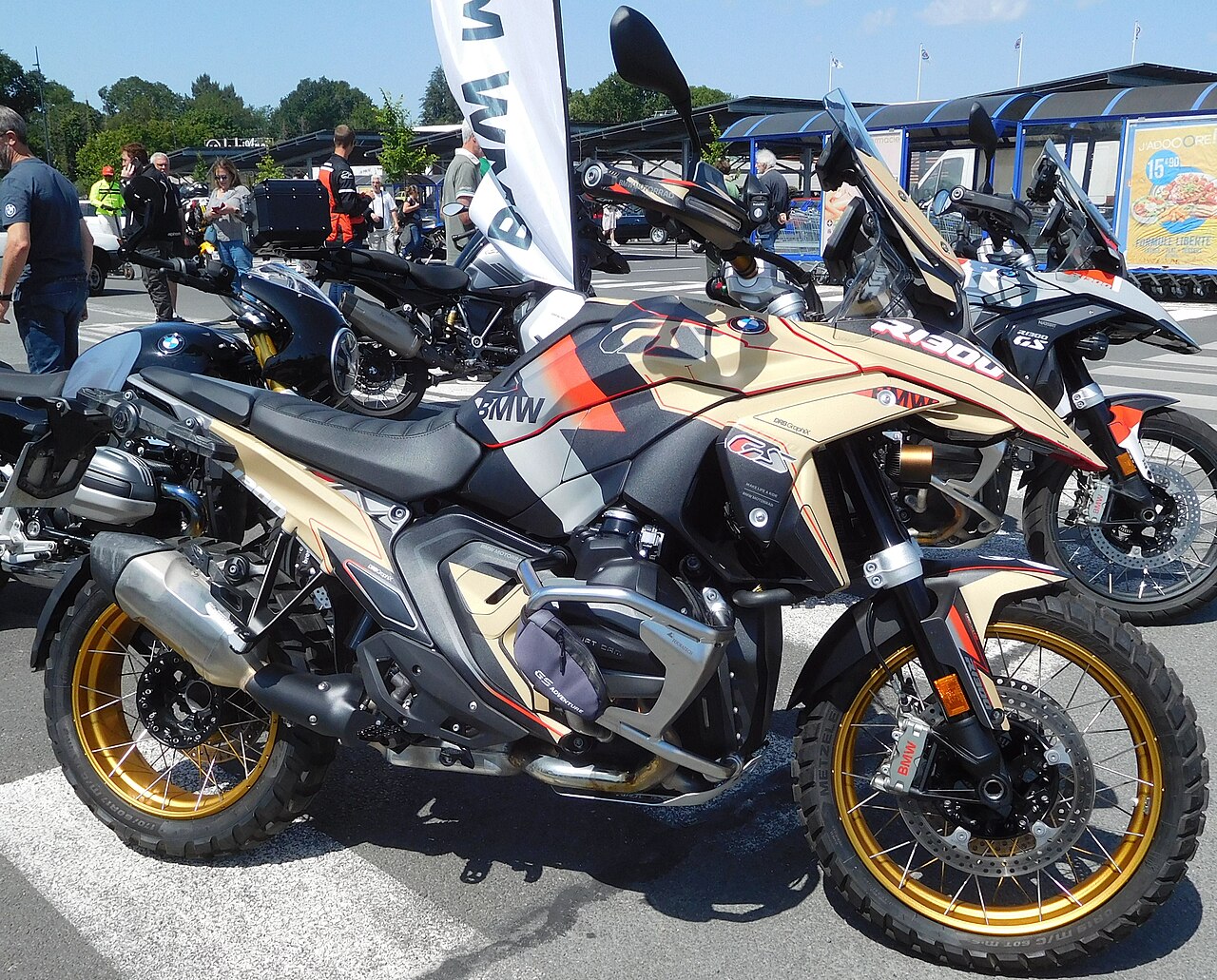
EICMA is where the motorcycle industry shows its hand, and this year the halls in Milan felt busier, braver and more confident than they have in a long time. After several cautious seasons of facelifts and colour updates, manufacturers arrived with real news: new platforms, sharper design language and a willingness to gamble that had been missing since before the pandemic. The crowds sensed it too, packing the aisles from the moment the doors opened and queueing three-deep around the most talked-about stands.
We spent three days working the stands, ignoring the marketing theatre and hunting for the machines that will actually reach showrooms and change how riders spend their money. Some of the biggest applause went to bikes that will never be built, spun on turntables under coloured light purely to generate photographs. The most important reveals, as ever, were the quieter ones, tucked at the edges of the halls where the accountants had already signed off.
The Naked Wars Escalate
If one theme dominated the halls, it was the escalating arms race among big naked bikes. KTM used its stand to double down on the 1390 Super Duke R, the machine it cheerfully calls The Beast, and in the metal it looks angrier than ever — sharper bodywork, a reworked electronics suite and a 1,350cc V-twin that produces frankly antisocial figures. Rivals from Bologna, Munich and Japan crowded around the same territory, each promising more power and more menace than the last. The message was unmistakable: the hyper-naked is now the flagship that defines a brand’s character, the halo model that sets the tone for everything beneath it, and nobody in Milan wanted to be the first to blink.
Electric Grows Up, Slowly
Electric motorcycles occupied more floor space than ever, but the mood had shifted from evangelism to realism. Instead of promising to replace petrol overnight, manufacturers showed pragmatic urban machines with sensible range, swappable batteries and prices that no longer require a second mortgage. The most convincing exhibits were commuter-focused rather than track-focused, an honest admission of where the technology genuinely makes sense today. Gone were the wild claims about matching a superbike; in their place stood tidy, useful bikes aimed at cities with clean-air zones and cheap overnight charging. Progress is real, but it is arriving one practical step at a time rather than in the revolution the industry once predicted from these very stands.
The Return of the Middleweight
The happiest surprise was the resurgence of the middleweight. For years the industry chased ever-larger capacities, but rising insurance costs, tighter licensing and simple common sense have pushed buyers back toward lighter, friendlier bikes. Milan responded with a wave of fresh parallel-twins and triples in the 650 to 900cc range, styled with genuine flair rather than treated as entry-level afterthoughts. These are the bikes most of us will actually buy, and it was heartening to see them given centre-stage lighting instead of a dusty corner near the exits. Several wore premium suspension and full electronics packages once reserved for flagships, a clear signal that the middle of the market is finally being taken seriously again.
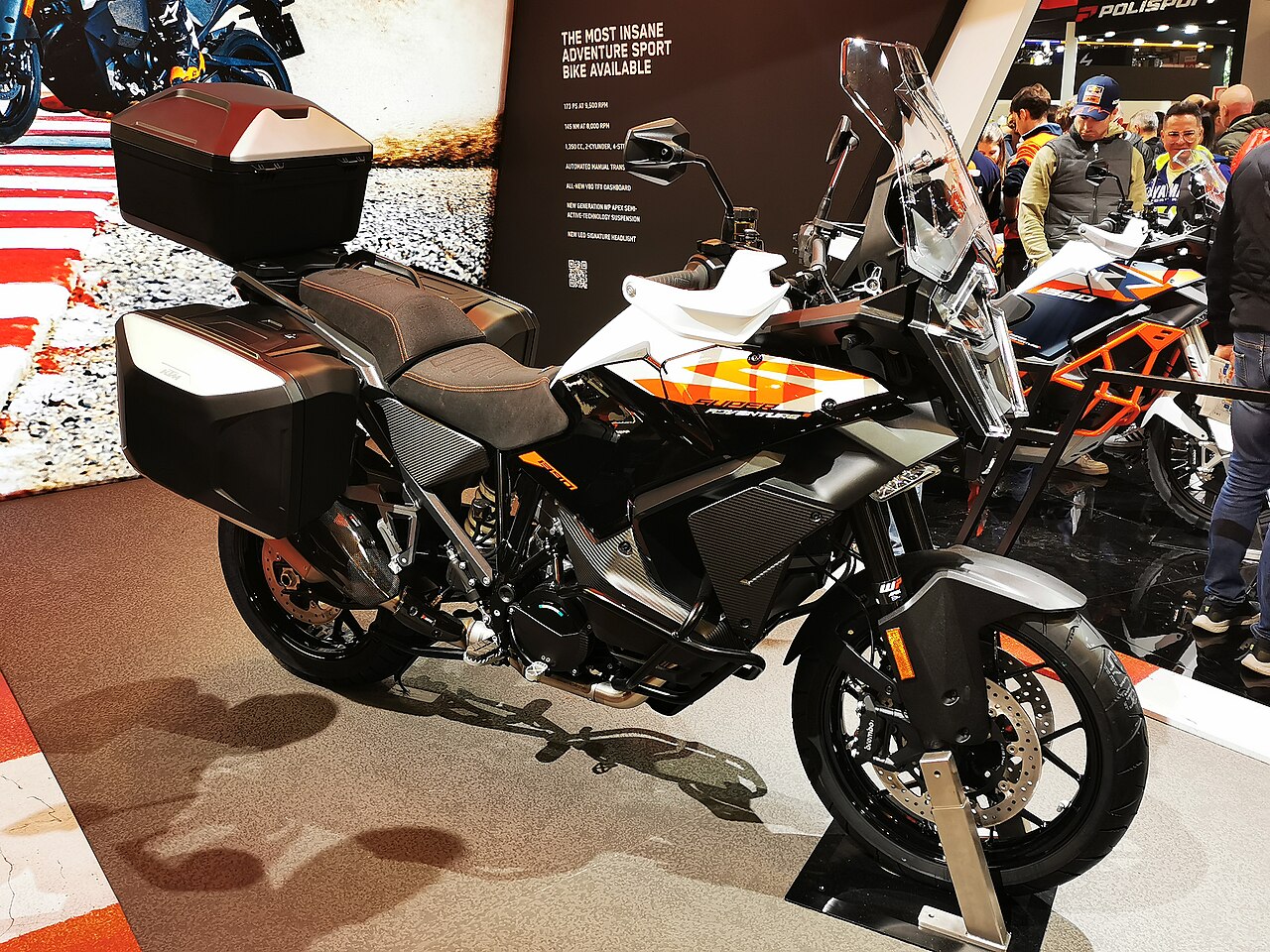
Three years ago, adaptive cruise control on a motorcycle was an exotic curiosity, restricted to a handful of premium tourers and treated with deep suspicion by traditionalists. Today it is spreading through the market at a pace that has surprised even the engineers who built it. Front and rear radar modules, once the preserve of six-figure machines, now appear on bikes you might reasonably commute on. The technology has crossed the line from novelty to expectation, and understanding why tells you a great deal about where riding is headed over the next decade.
The short version is that the hardware got cheap and the software got good. Automotive radar development, funded by billions of dollars of car-industry investment, produced sensors small and affordable enough to bolt onto a headstock. Motorcycle engineers adapted them, refined the algorithms for a leaning vehicle, and the result is a system that now costs manufacturers a fraction of what it did at launch. Once a component becomes that cheap, its spread across a range is only a matter of time.
What the Radar Actually Does
At its simplest, forward radar lets the bike hold a set distance from the vehicle ahead, easing off and accelerating automatically as traffic ebbs and flows. On a long motorway slog this transforms the experience, removing the constant throttle micro-adjustments that quietly exhaust a rider over hundreds of miles. But the same sensor enables far more: forward collision warning, blind-spot monitoring from a rear unit, and lane-change alerts that flash when something lurks in your mirrors. On the BMW R1300GS the system is polished enough to feel invisible until you need it, which is exactly the point of a well-designed rider aid.
Why It Spread So Fast
Cost was the trigger, but demographics pulled it through. The average buyer of a large-capacity bike is older and more affluent than a decade ago, has likely experienced adaptive cruise in a car, and expects the same convenience on two wheels. Manufacturers noticed. Fitting radar also lets a brand charge a premium and, crucially, differentiate a flagship in a crowded market. When KTM added it to the 1390 Super Duke R, a bike whose entire identity is aggression, it was a clear signal that radar is no longer just a touring accessory but a mark of a serious modern motorcycle, as expected on a flagship as a colour dashboard or a quickshifter.
The motorcycle industry loves to talk about power. Peak horsepower, top speed and lap times fill the brochures, because they are easy to measure and easy to sell. Yet the most consequential engineering of the past decade has happened almost silently, in software you never see and sensors you never think about. This is the quiet revolution in rider safety, and it is saving lives at a rate that finally shows up clearly in the accident statistics that regulators and insurers pore over every year.
None of it is glamorous. There is no marketing romance in a lean-angle sensor or a brake-pressure algorithm, and no showroom customer ever fell in love with an inertial measurement unit. But the cumulative effect of these systems is that riders now survive mistakes that would have put them in hospital, or worse, a generation ago. Here is what is actually doing the work, and why it matters more than any dyno chart on the wall.
Cornering ABS Changed Everything
The single biggest advance is the six-axis inertial measurement unit, a coin-sized cluster of gyroscopes and accelerometers that knows the bike’s precise attitude hundreds of times a second. It made cornering ABS possible — braking hard mid-corner without the front tucking and throwing you to the ground. On a machine as ferocious as the BMW M1000RR, the same IMU governs traction, wheelie and slide control, orchestrating a symphony of interventions no human could manage. But the version that saves ordinary riders is the humble cornering ABS now filtering down to modest commuters. It intervenes in the exact scenario that kills so many: a panic grab of the brakes while leant over into an unexpected hazard on a road you thought you knew.
Traction Control for the Rest of Us
Traction control was once a superbike toy, dismissed as a crutch for the ham-fisted. That snobbery has aged badly. Modern systems are so refined that most riders never feel them working, yet they catch the wet manhole cover, the diesel spill and the greasy roundabout that would otherwise spit a bike sideways. Lean-sensitive versions modulate power according to how far the bike is banked over, delivering full drive upright and gentle restraint at the edge of grip. It is the difference between a heart-stopping moment and a story you never even bother to tell, and it works quietly in the background on bikes costing a fraction of a superbike.
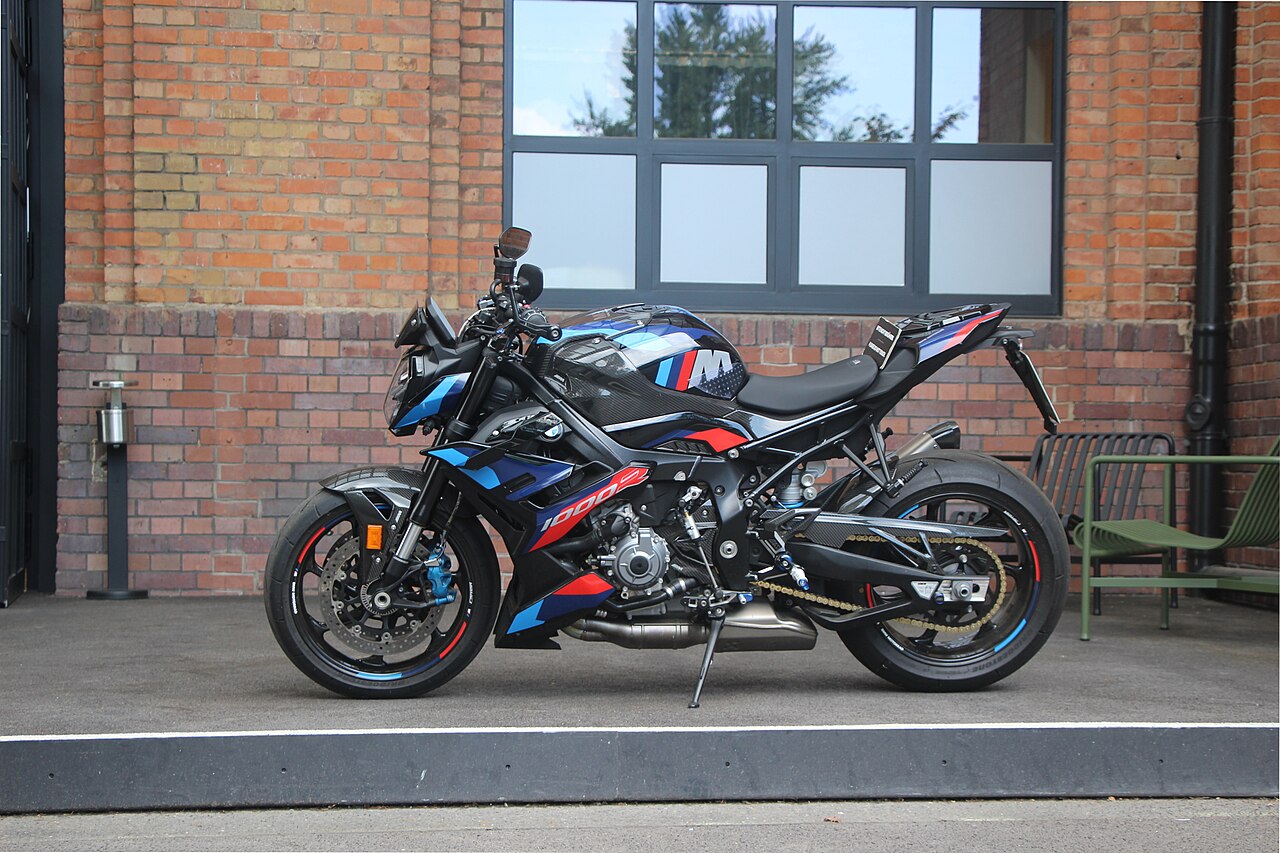
For three extraordinary years, the used motorcycle market defied gravity. Pandemic lockdowns turned two wheels into a socially distanced escape, new-bike supply collapsed under semiconductor shortages, and second-hand prices climbed to levels that made no rational sense. Riders sold three-year-old bikes for close to what they paid, and dealers watched forecourts empty faster than they could restock them. That party is now firmly over, and the hangover is reshaping what riders across the market can realistically afford.
The correction has not been a crash so much as a slow, uneven deflation. Some segments have tumbled sharply while others have barely moved, and the pattern reveals a lot about what riders actually want in 2025. We dug through auction data, dealer forecourts and classified listings across several months to map where the money is going and where the deals now hide, and the picture is more nuanced than the doom-laden headlines suggest.
The Boom, Briefly Explained
To understand the fall you have to remember the rise. When factories stalled, dealers ran out of new stock, and buyers with nowhere to spend their holiday budgets turned to motorcycling in droves. A used bike you could ride away today was worth a premium over a new one you might wait a year for. Prices inflated across the board, from learner machines to exotica, and a whole cohort of riders paid peak money for bikes bought in a frenzy of pent-up demand. Those purchases are now the used stock flooding the market and driving the correction, as owners who overpaid discover just how much value has drained away.
Where Prices Are Falling Fastest
The steepest drops are hitting the bikes that were most overbought. Large-capacity adventure machines and premium sport-tourers, snapped up during lockdown by riders dreaming of trips they never took, are now depreciating hard as those same owners cash out. Higher-mileage examples of once-hot models are sitting unsold for weeks, and dealers are quietly discounting to move them. If you always wanted a big, complex, feature-laden bike but balked at the price, this is the moment the market finally tilts in your favour — provided you budget honestly for the servicing and consumables such machines demand, which can erase a bargain in a single workshop visit.
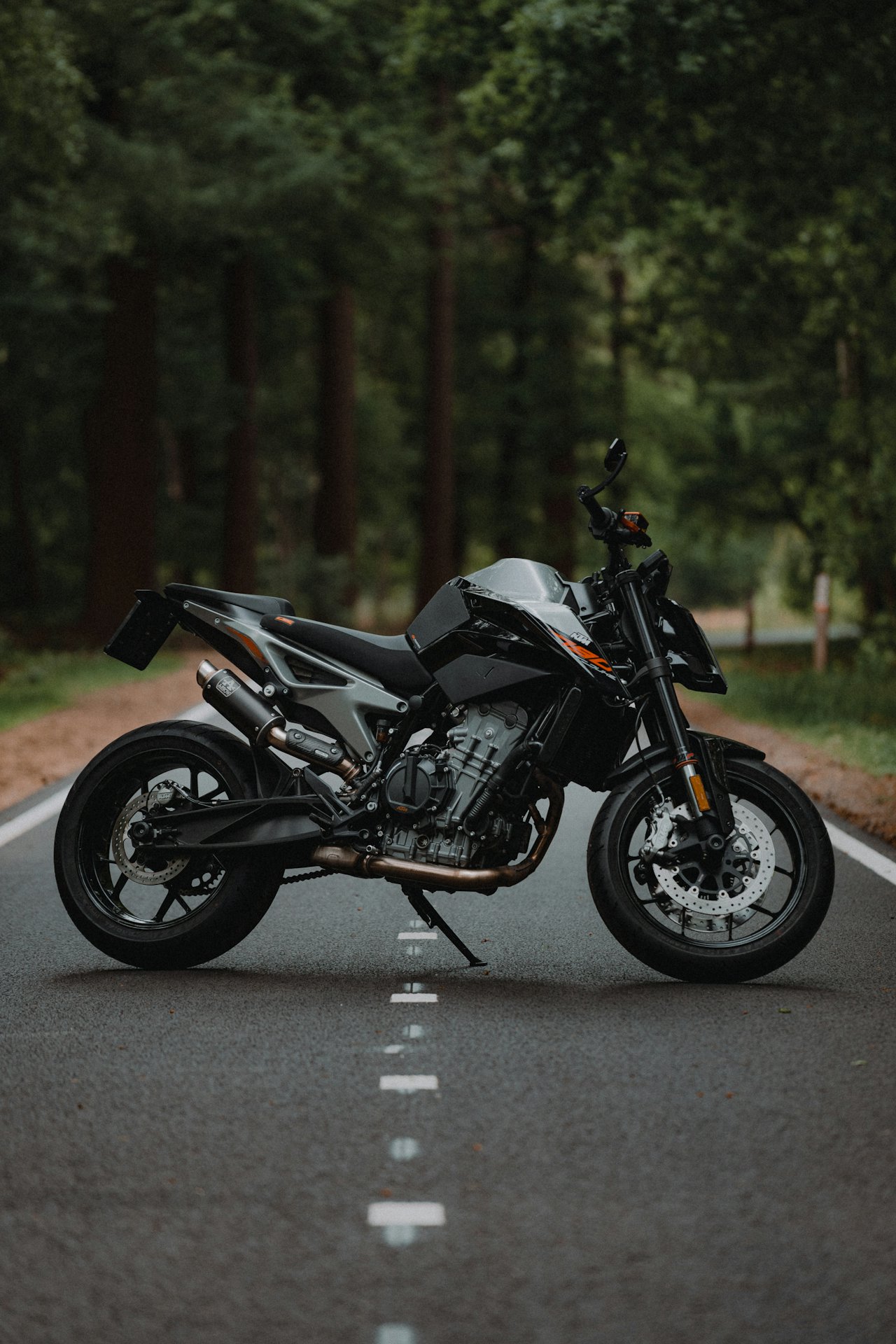
There has never been a better time to hold an A2 licence. Not long ago, the restricted category was a purgatory of underpowered commuters and plasticky learner specials, machines you tolerated until the day you could finally buy something you actually wanted. That era is over. Manufacturers have realised that A2 riders are the customers of tomorrow, and they are now building genuinely desirable bikes designed to thrive within the 35kW limit rather than merely survive it, complete with real suspension, proper brakes and styling that turns heads at the coffee stop.
For anyone unfamiliar, the A2 licence caps power at 35kW, or roughly 47 horsepower, with a power-to-weight ceiling that stops riders simply restricting a superbike and calling it a day. The clever part of the modern market is how many bikes are engineered from the outset to hit that figure while still feeling complete, exciting and grown-up. Here is where a new rider should be looking, and why the choice has never been richer or more genuinely tempting.
The Sporty All-Rounder
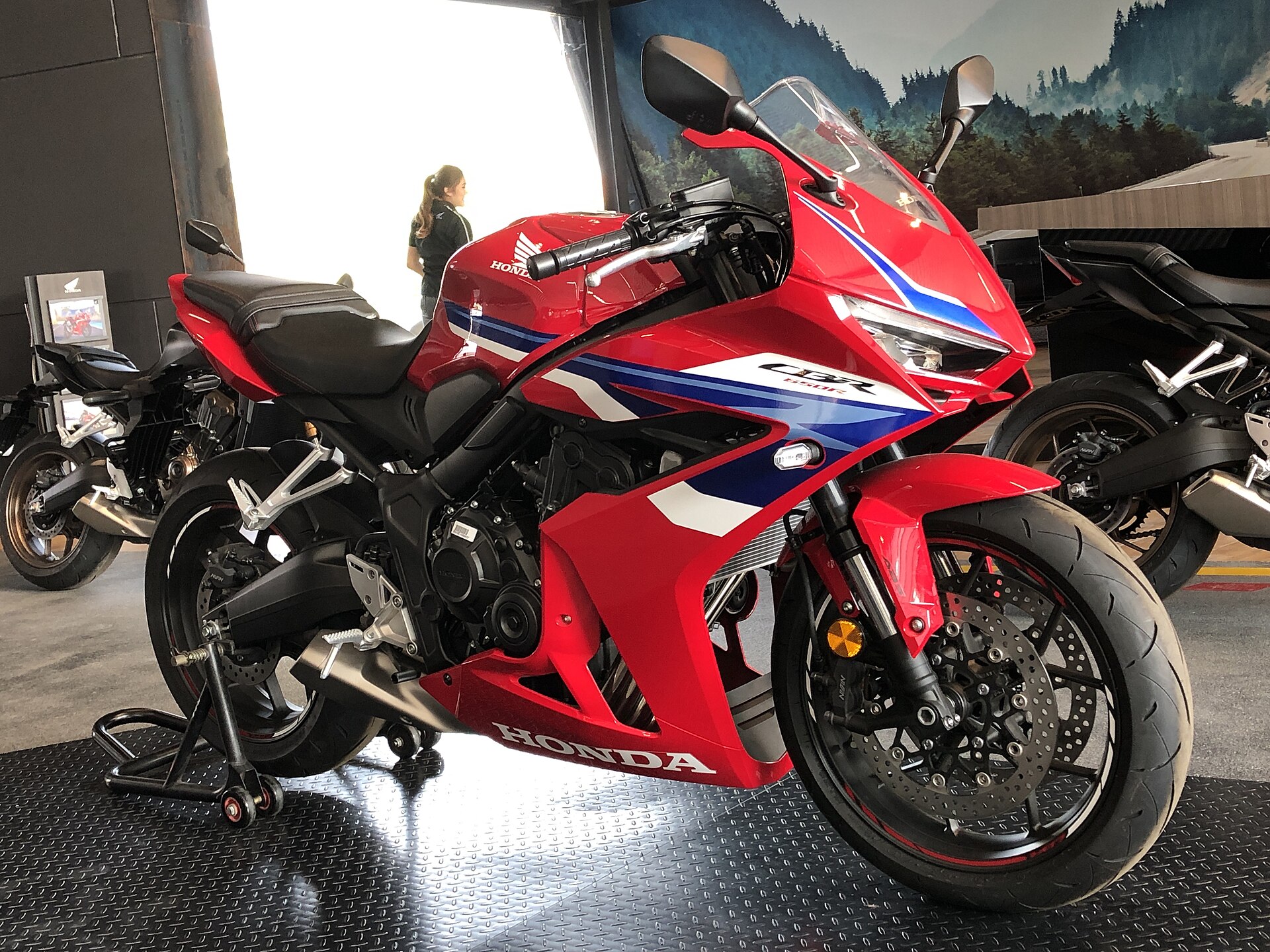
The Honda CBR650R is the poster child for how far A2 machinery has come. In restricted form it delivers a smooth, revvy inline-four soundtrack that no twin can match, wrapped in bodywork that looks every bit the proper sportbike rather than a compromised trainer. The optional E-Clutch removes stalling anxiety at junctions without turning the bike into an automatic, a genuine boon for a nervous newcomer negotiating city traffic for the first time. Crucially, when you upgrade to a full licence you simply have the restriction removed and unlock the bike’s full potential, so your first serious purchase does not become obsolete the moment your test is behind you.
The Adventure Everyman
If tarmac feels too narrow a horizon, the Royal Enfield Himalayan 450 is the most charming way into adventure riding on an A2 licence. Its 452cc single produces modest but perfectly judged power, an upright stance that builds confidence, and a price that leaves money for the gear and the trips that matter more than any spec sheet. It will never win a drag race, but it will happily carry you across a continent, and it teaches throttle control and momentum in a way that makes you a better rider for whatever comes next. There is a rare honesty to a bike that asks you to work with it rather than simply overwhelming every obstacle with power.