Magazine / News
The Safety Tech Quietly Saving Riders’ Lives
Away from the horsepower headlines, a generation of electronic safety systems is doing the unglamorous work of keeping riders upright — and the data behind them is finally impossible to ignore.
· May 27, 2025
The motorcycle industry loves to talk about power. Peak horsepower, top speed and lap times fill the brochures, because they are easy to measure and easy to sell. Yet the most consequential engineering of the past decade has happened almost silently, in software you never see and sensors you never think about. This is the quiet revolution in rider safety, and it is saving lives at a rate that finally shows up clearly in the accident statistics that regulators and insurers pore over every year.
None of it is glamorous. There is no marketing romance in a lean-angle sensor or a brake-pressure algorithm, and no showroom customer ever fell in love with an inertial measurement unit. But the cumulative effect of these systems is that riders now survive mistakes that would have put them in hospital, or worse, a generation ago. Here is what is actually doing the work, and why it matters more than any dyno chart on the wall.
Cornering ABS Changed Everything
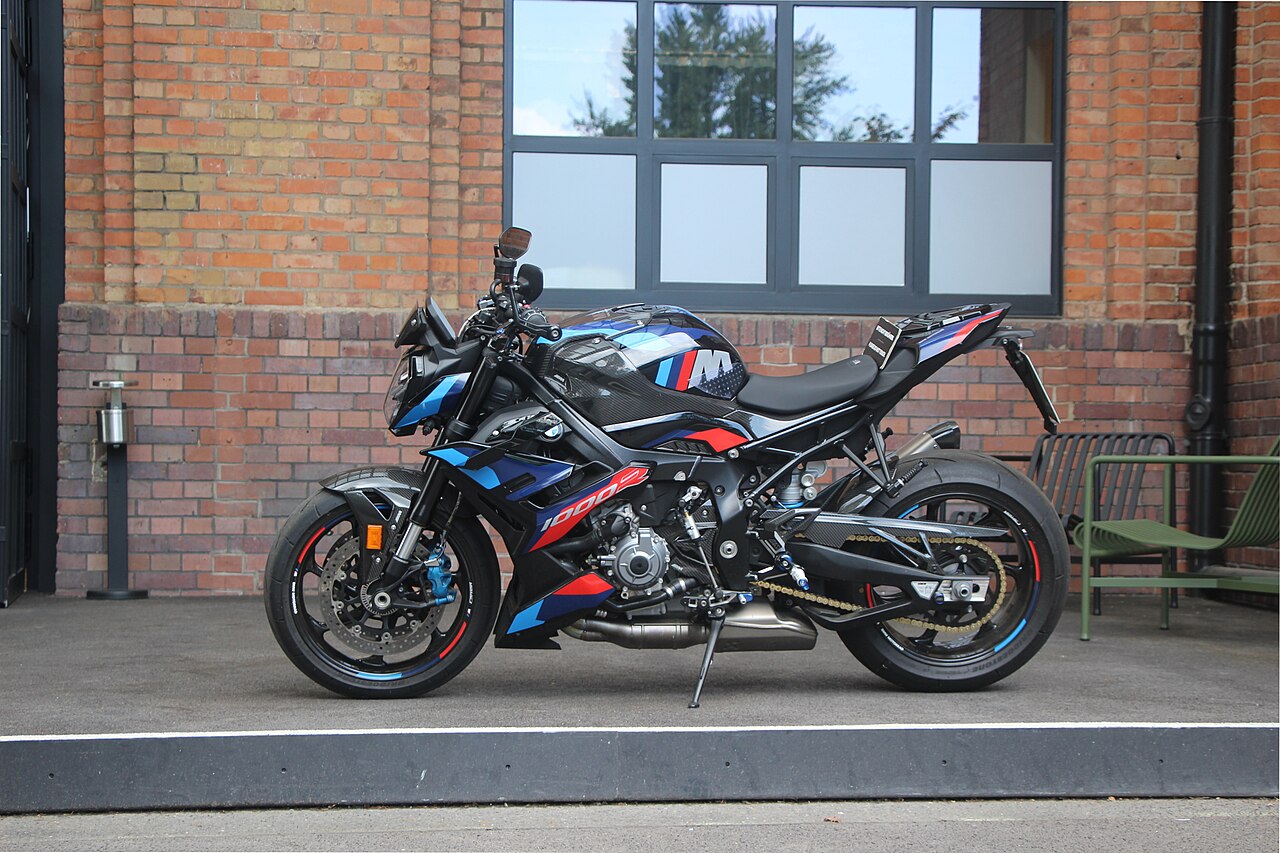
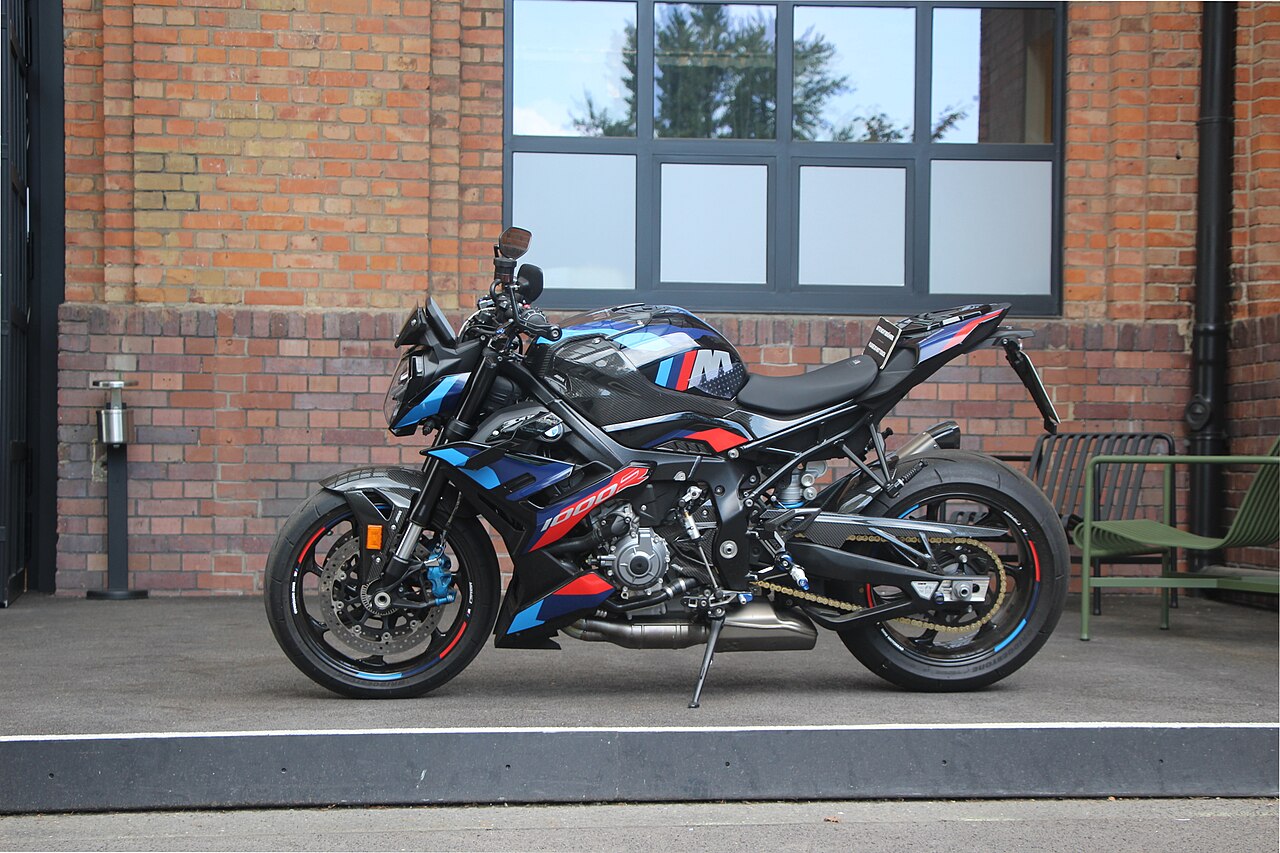
The single biggest advance is the six-axis inertial measurement unit, a coin-sized cluster of gyroscopes and accelerometers that knows the bike’s precise attitude hundreds of times a second. It made cornering ABS possible — braking hard mid-corner without the front tucking and throwing you to the ground. On a machine as ferocious as the BMW M1000RR, the same IMU governs traction, wheelie and slide control, orchestrating a symphony of interventions no human could manage. But the version that saves ordinary riders is the humble cornering ABS now filtering down to modest commuters. It intervenes in the exact scenario that kills so many: a panic grab of the brakes while leant over into an unexpected hazard on a road you thought you knew.
Traction Control for the Rest of Us
Traction control was once a superbike toy, dismissed as a crutch for the ham-fisted. That snobbery has aged badly. Modern systems are so refined that most riders never feel them working, yet they catch the wet manhole cover, the diesel spill and the greasy roundabout that would otherwise spit a bike sideways. Lean-sensitive versions modulate power according to how far the bike is banked over, delivering full drive upright and gentle restraint at the edge of grip. It is the difference between a heart-stopping moment and a story you never even bother to tell, and it works quietly in the background on bikes costing a fraction of a superbike.