Magazine / Electric
Charging a Motorcycle: Infrastructure, Speed and the Road Ahead
Charging is where the electric-motorcycle dream meets the messy real world of plugs, tariffs and car-shaped bays — but bikes have one quiet advantage that most of the doom-mongering conveniently forgets.
· Aug 16, 2025
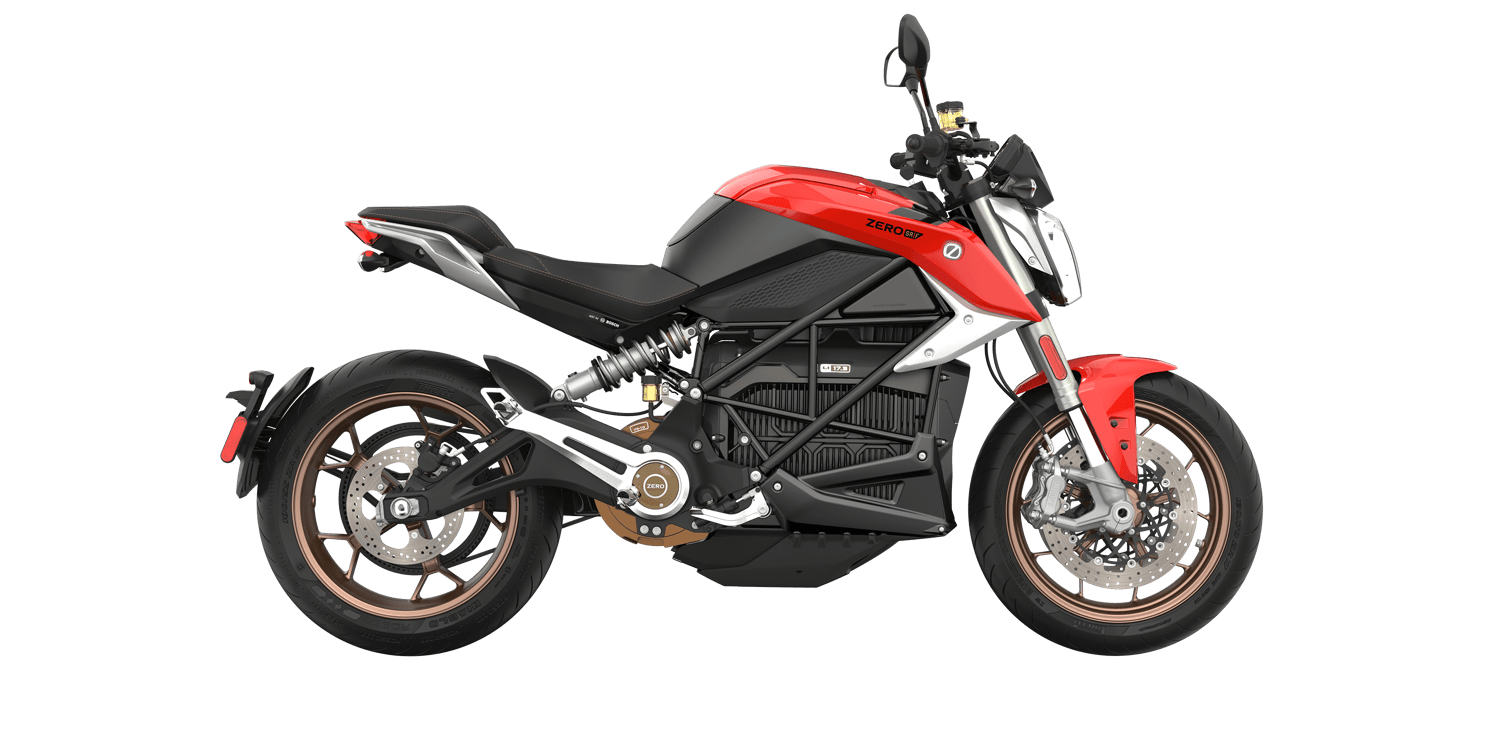
The battery gets all the headlines, but charging is where an electric motorcycle actually lives or dies as a daily companion. A brilliant bike tethered to a sparse, confusing, unreliable network is a frustrating ornament; a modest one that plugs in effortlessly wherever its owner stops is a joy. Understanding how charging really works — the levels, the speeds, the competing standards and the quiet advantages that bikes hold over cars — is the difference between an owner who beams about their SR/F and one who quietly lists it for sale after a difficult winter of cold plugs and dead apps.
The good news is that motorcycles start this contest with a hand the car world would love to hold. The bad news is that most public infrastructure was never designed with two wheels in mind at all.
The Home Socket Advantage
The single most important fact about charging a motorcycle is that most owners rarely use public infrastructure at all. A bike like the Zero SR/F, with its 14.4 kWh pack, can be replenished overnight from an ordinary domestic socket in a garage or beside a driveway, and wake up full every morning for the price of a few coins. This is charging’s version of the smartphone: you plug in when you stop, sleep, and simply forget about it. For the huge majority of riders whose daily distance sits well inside the bike’s range, the public network is an occasional convenience rather than a lifeline, and the whole anxious conversation about chargers becomes largely academic. Judging an electric bike by the state of the public network is a little like judging a phone by the payphones left on the high street; it misses entirely where the charging actually happens.
Levels, Speeds and What They Mean
Charging speed comes in broad tiers, and the jargon is simpler than it looks. Basic domestic charging trickles energy in slowly overnight, perfect for a bike that sleeps between rides. Faster alternating-current charging, from a home wallbox or a public post, meaningfully shortens the wait to a few hours. Direct-current rapid charging, where the bike supports it, can slash a top-up to a coffee break — but here the two-wheeler hits a wall, because a motorcycle battery is far smaller than a car’s and its onboard electronics often cannot accept the eye-watering rates that make rapid chargers so dramatic. For bikes, the sweet spot is usually good home and destination charging rather than the headline-grabbing motorway rapid units. Pushing rapid-charge rates too hard also heats and stresses a small battery, so manufacturers deliberately cap them to protect the pack’s long-term health, trading a little speed for years of extra service.