Magazine / Electric
Electric vs Petrol: The Real Cost of Owning a Motorcycle
Strip away the ideology and the showroom sticker, and the electric-versus-petrol question comes down to arithmetic — so we ran the numbers on energy, servicing, depreciation and the true cost of every kilometre ridden.
· Sep 12, 2025
Ask whether an electric motorcycle is cheaper than a petrol one and you will get a religious war rather than an answer. The truth is duller and far more useful: it is a spreadsheet. Total cost of ownership is the sum of what you pay to buy the thing, what you feed it, what you pay to keep it running, and what you lose again when you sell it on. Only when all four of those columns are filled in does the real picture emerge — and it rarely matches either the salesman’s confident pitch or the pub sceptic’s equally confident certainty about batteries and bills.
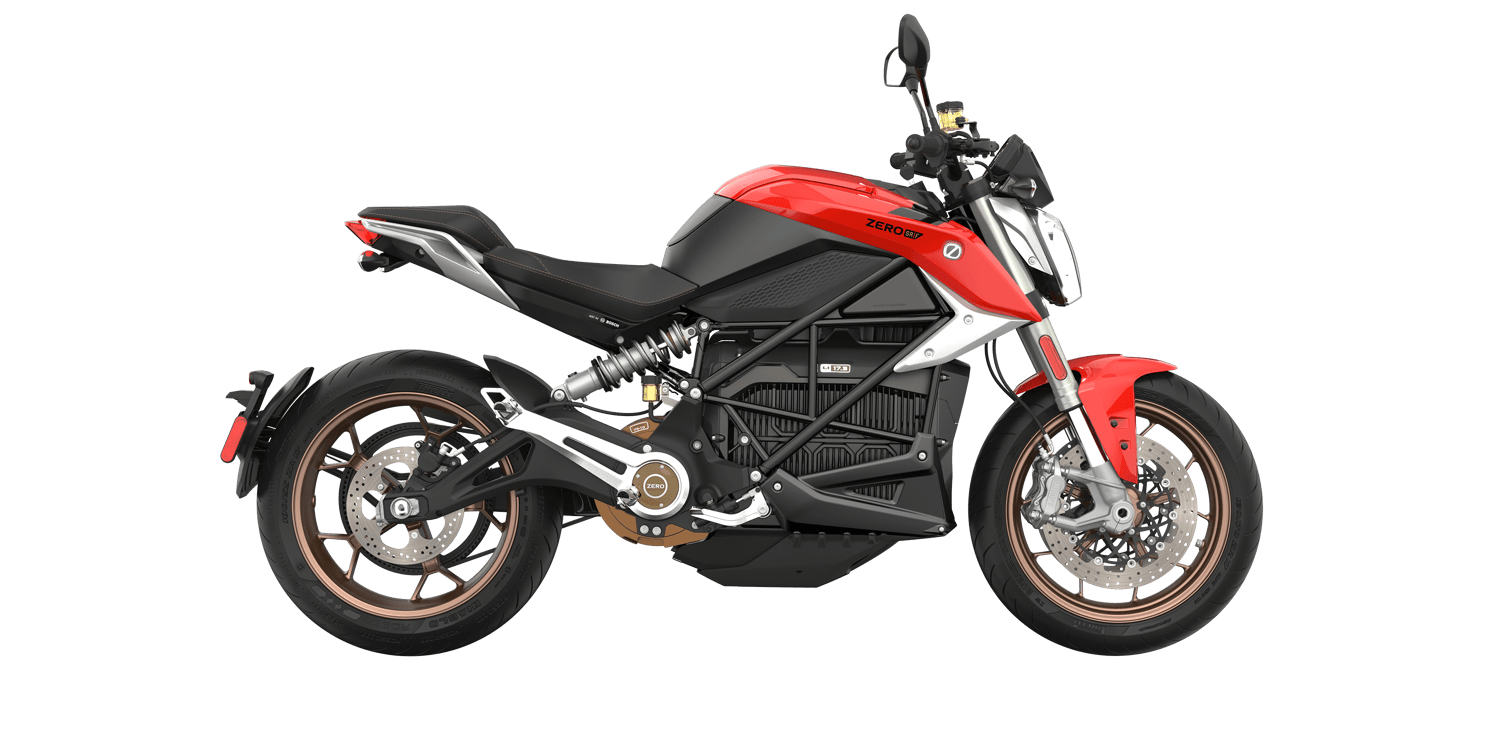
To keep the comparison honest, put a machine like the Zero SR/F on one side and a comparably quick petrol naked or sportsbike on the other, then follow them both across five years and a realistic annual mileage. The answers shift sharply depending on how, where and how far you actually ride, which is precisely why blanket claims from either camp deserve a healthy dose of suspicion before you sign anything.
The Sticker Is Only the Deposit
Electric motorcycles lose the opening round decisively. The SR/F lands at around twenty thousand dollars, and comparable petrol bikes with similar straight-line pace can be had for meaningfully less, because a large lithium-ion battery is simply expensive to design, build and cool. This is the single biggest obstacle to electric adoption, and no amount of running-cost savings erases it overnight. The gap narrows sharply where governments offer purchase grants, tax breaks, or exemptions from congestion and low-emission-zone charges, and in a handful of cities those incentives are generous enough to flip the maths on their own. Everywhere else, the electric buyer starts the race several thousand dollars behind the grid and has to claw that deficit back over the years that follow, one cheap kilometre at a time. It is worth remembering, too, that the battery is by far the most costly single component, and its price is falling year on year, so the very gap that looks daunting today is quietly narrowing with every fresh generation of cells.
Fuel Versus Electrons
This is where the electric bike begins its comeback in earnest. Electricity, bought at a domestic overnight tariff, is dramatically cheaper per kilometre than petrol almost everywhere on earth. A full charge of the SR/F’s 14.4 kWh battery costs little more than a takeaway coffee at many home rates and returns up to 190 km of city riding. The equivalent distance on a thirsty petrol naked can cost three to five times as much in fuel, and every price rise at the pump widens the chasm further. The important caveat is public rapid charging, which is priced far higher than home electricity and can quietly erode much of that advantage on a long trip — so where you plug in ends up mattering almost as much as what you choose to ride. Riders without off-street parking, forced to rely entirely on public charging, lose much of the fuel saving and should factor that reality in honestly before switching.